Notes on Being a Man
男人这件事
Men aged 20 to 30 now spend less time outside, on average, than prison inmates. Scott Galloway's argument is that this — not policy, not politics — is the ground floor of the male crisis, and the way out runs through a small set of daily, doable practices.
如今 20 到 30 岁的美国男性,平均待在户外的时间比监狱囚犯还短。斯科特·加洛韦认为,这——不是政治、不是政策——才是当代男性危机的地基;走出来的路径,藏在一组每天都能做的小事里。
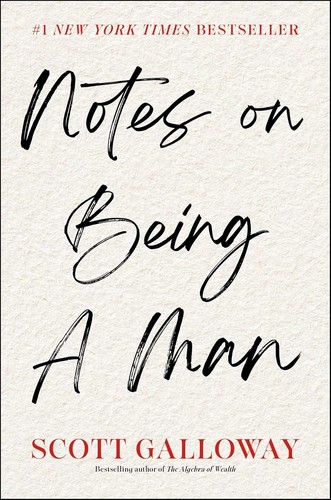 Get the book
购买原书
Get the book
购买原书
About the author
关于作者
Scott Galloway. Professor of Marketing at NYU Stern. Host of the Prof G podcast and co-host of Pivot with Kara Swisher. Author of The Algebra of Wealth, Adrift, Post Corona, and The Four. Built and sold nine companies before settling into the unusual role of public-intellectual-for-young-men.
He writes from the post-success vantage point — already rich, twice-married, raising two boys, managing his own depression — which is why the book is honest about tradeoffs in a way self-help usually isn't.
斯科特·加洛韦,纽约大学斯特恩商学院市场学教授,《Prof G》主播,与卡拉·斯威舍合主持《Pivot》。著有《财富代数》《漂流》《疫后世界》《大四巨头》。在成为"年轻男性的公共知识分子"之前,他先后创办、卖出过九家公司。
这本书的诚实,来自他写作时的位置:钱已经赚到了,婚结过两次,两个儿子在带,自己的抑郁也仍在管理。它愿意承认成功的代价——这是一般励志书不太敢做的事。
The Crisis: Falling Farther, Faster
危机:跌得更远,跌得更快
What Galloway calls the worst hand a generation of men has been dealt in living memory — laid out in numbers.
在加洛韦眼里,这是有生之年最差的一手牌——他用数字摊给你看。
Less daylight than the incarcerated.
连阳光都不如囚犯多。
Men aged 20 to 30 now spend less time outdoors, on average, than prison inmates do during their hours in the yard. Galloway uses the line as a litmus: if young men have engineered a life with less sky in it than people the state is actively confining, the conditions producing that life deserve a closer look.
20 到 30 岁的男性,平均每天在户外的时间,比监狱里出去放风的囚犯还少。加洛韦用这一条做试纸:如果一个 20 多岁的男人,主动给自己造出一种"比关在牢里见到的天还少"的生活,那这种生活背后的结构就值得认真看一看。
The under-40s got the bill.
40 岁以下,是替这场盛宴买单的一代。
Seventy-year-olds in America are 72% wealthier today than they were forty years ago. People under forty are 24% poorer. Twenty-five-year-olds now make less than their parents and grandparents did at the same age. The wealth shift sits underneath everything else: housing, dating, family formation, the ability to fail and recover.
在美国,70 岁的老人比四十年前的同龄人富了 72%;40 岁以下的年轻人,反而穷了 24%。今天的 25 岁,比父辈、祖辈在同样年纪挣得还少。这场财富的倾斜,撑在所有其他问题底下:房子、谈恋爱、组家庭、还有失败一次还能爬起来的余地。
60% / 1-in-5.
六成 / 五分之一。
Around 60% of American men aged 18 to 24 live with their parents. 1 in 5 still live with their parents at age 30. The percentage of young men aged 20 to 24 who are neither in school nor working has tripled since 1980. Workforce participation among men is now below 90% — a level last seen during the Great Depression.
美国 18 到 24 岁的男性,大约六成还住在父母家;到了 30 岁,仍有五分之一没搬出去。20 到 24 岁中"既没在上学、也没在工作"的男性比例,自 1980 年起翻了三倍。男性的劳动参与率已经跌破 90%——上一次这么低,是大萧条年代。
Most men never approach.
大多数男人,根本没主动开过口。
45% of men aged 18 to 25 have never approached a woman in person. The share of men who report no sex in the last year rose from roughly 8% in 2008 to 28% in 2018. On dating apps, Galloway's reading is that the top decile of men by perceived attractiveness collects the lopsided majority of right-swipes — leaving the bottom of the distribution not so much dating as watching others date.
18 到 25 岁的男性里,有 45% 从来没在现实生活里主动跟一个女性搭过话。"过去一年没有性生活"的男性占比,从 2008 年的约 8%,涨到 2018 年的 28%。在交友 app 上,加洛韦的判断是:被打分最高的那一成男人,吃下了大部分右滑——剩下的人不是在恋爱,是在看别人恋爱。
3× · 4× · 12×.
3 倍 · 4 倍 · 12 倍。
Men are roughly three times more likely to overdose, four times more likely to die by suicide, and twelve times more likely to be incarcerated than women. Tens of thousands of Americans die each year from "deaths of despair" — suicide, drug overdose, alcohol-related illness — concentrated among men without a college degree. America's suicide and alcohol-related mortality rate is now higher than it has been in a century.
男性药物过量死亡率约是女性的 3 倍,自杀死亡率是 4 倍,被关进监狱的可能性是 12 倍。每年有数以万计的美国人死于"绝望之死"——自杀、药物过量、酗酒并发症——其中绝大部分集中在没有大学文凭的男性身上。美国今天的自杀率与酗酒致死率,是百年来的最高点。
How the cascade actually runs.
这个连锁反应是怎么走完一整圈的。
The numbers are not random. Galloway walks the chain.
A boy enters a school system that suspends him at twice the rate of a girl for the same behavior, taught almost entirely by women — there are fewer male K-12 teachers in America than there are women in STEM. He matures slower than his female classmates and falls behind early. By his teens, he is spending hours a day inside an algorithm whose business model is to keep him scrolling — and the cheapest content to feed him is content that tells him the world is rigged against him by women, by trans athletes, by immigrants. He approaches no one in person; the apps are stacked against him too. He gets no rejections, because he never asks. He builds no callus. The seventeen-square-inch screen replaces the city. Eventually, despair shows up — in pills, in alcohol, in a gun.
This isn't a story about weak men. It is a story about a system that produces the outcome.
这些数字不是随机散落的。加洛韦把整条因果链一节节拆给你看。
一个男孩走进的是这样一套学校系统:同样的行为,他被停学的概率是女生的两倍;老师几乎都是女性——美国 K-12 里的男老师人数,比 STEM 行业里的女性还少。他大脑发育比女生慢,早早就被甩在后面。到了青春期,他每天有数小时被泡在算法里——算法的商业模式就是把他留在屏幕前;最便宜的喂食内容,是告诉他这个世界是被女人、跨性别运动员、移民给联合做局的。他不在现实里去搭话,app 上也没他的事。他没有遭到任何拒绝——因为他从不开口;茧也就长不出来。十七平方英寸的屏幕替代了一整座城市。最后,绝望以药片、酒精、枪的形式找上门。
这不是一个"男人变弱了"的故事。是一个"系统在生产这个结果"的故事。
The social contract that binds America — work hard, play by the rules, and you'll be better off than your parents were — has been severed.
把美国捆在一起的那张社会契约——努力干、守规矩、过得就比父辈好——已经断了。
— Scott Galloway, Notes on Being a Man
——斯科特·加洛韦,《男人这件事》
The Scott Method
斯科特方法
Galloway mentors young men in person, monthly. Before he'll discuss relationships, purpose, or politics, he requires four things: Fitness · Nutrition · Money · Work. Master those, he argues, and the rest becomes navigable.
加洛韦每个月会面对面带几个年轻男性。在聊感情、聊意义、聊政治之前,他先卡住四件事:健身、吃饭、挣钱、干活。把这四件做扎实,剩下的事才有讨论的余地。
"Many men think they have to be a mix of Aristotle, Gandalf, and Mr. Miyagi," Galloway writes. "That's horseshit." The questions a confused 22-year-old asks, he says, are easy. The advice is mundane, daily, and embarrassingly under-supplied.
"很多男人以为自己得是亚里士多德、甘道夫和宫城师傅的合体,"加洛韦写道,"扯淡。"他说,一个 22 岁年轻人会问的问题其实都不难,要给的建议也是日常的、琐碎的——只是让人尴尬地很少有人愿意给。
Move 3 to 4 times a week, and track it.
每周练三到四次,用 app 记下来。
Not as identity, not as transformation — as floor. Three to four sessions a week, tracked in an app so progress is visible. The "tracked" part is doing more work than it looks: it converts an abstract intention into a chart that either goes up or doesn't. Sweat is the most reliable lever Galloway knows for resetting an unsettled brain. He calls exercise "the closest thing humans have to a cheap, indiscriminately available youth serum."
不是为了打造人设,也不是为了"脱胎换骨"——是地板。每周练三到四次,记在 app 里,让进度看得见。这一步"记"在做的事比表面多得多:它把一个抽象的"想法"变成一张要么往上走、要么不往上走的曲线。出汗,是加洛韦能信得过的最稳定的一根杠杆,用来给一颗心烦意乱的大脑做重启。他干脆把运动称作"人类目前最接近便宜又人人能用的青春血清"。
Cook food at home.
自己在家做饭。
The bar isn't gourmet. It's "made it yourself." Restaurant food and packaged food carry trans fats, hidden sugars, and seasoning calibrated to make you order more next time. A young man who can roast a chicken, scramble eggs, and chop a salad has a lever on his weight, his sleep, his mood, and his bank account that no app can replace.
门槛不是"做得好吃",是"是你自己做的"。馆子菜和包装食品里塞着反式脂肪、隐形糖,调味的目的是让你下次再点。一个会烤鸡、会炒蛋、会切沙拉的年轻人,对自己的体重、睡眠、情绪和钱包,握着一根任何 app 都替代不了的杠杆。
Your single source of capital is time.
你唯一一种本金,是时间。
Galloway is blunt: a 22-year-old has no money, no equity, no network, and the unfair advantage of every hour. Drive for Lyft. Run errands on TaskRabbit. Mow lawns. The first job is to make money. The second is to develop a taste for making it. Once money becomes interesting instead of frightening, the ladder gets easier — Galloway describes the climb as "CVS to Whole Foods," skill by skill, paycheck by paycheck. Build a six-month financial cushion before any big life move.
加洛韦说得很直:一个 22 岁的人,没有钱,没有股权,没有人脉——但他有"每一个小时"这一项不公平的优势。去开 Lyft。在 TaskRabbit 上跑腿。修剪草坪。第一件事是把钱挣回来;第二件事是培养一种"挣钱挺有意思"的嘴。一旦钱变成"有意思"而不再是"吓人",往上爬就容易多了——他把这个过程叫做"从 CVS 走到 Whole Foods",一个技能换一份工资,一阶一阶往上走。做大动作之前,先给自己存出六个月的生活备用金。
Find what you're good at — follow your talent.
先找你擅长的事,再追"热爱"。
The advice young men get most often is "follow your passion." Galloway's correction: follow your talent. Do more of what you're good at; you will get better at it; people will pay you for it; eventually, the doing of it will become indistinguishable from passion. The other way around — passion first, talent later — is how 28-year-olds end up broke and bitter. He is candid about the cost: "Work cost me my hair, probably, my first marriage, and arguably my sanity. But for me, it was worth it."
年轻男性听得最多的那句话是"追随你的热爱"。加洛韦把它翻过来:先追你的天赋。多做你擅长的事,你会做得更好,会有人给你付钱,到最后,做这件事跟"热爱它"会变得分不清。反过来——先选热爱、再补天赋——多半就是 28 岁时既没钱又怨气重的那一类轨迹。他对代价说得很直白:"干活让我掉了头发,大概也搞砸了第一段婚姻,恐怕还赔进去了一部分理智。但对我来说,值。"
SCAFA: Five Pharmaceuticals
SCAFA:五味药
Galloway has lived with anger and depression since his thirties. He has never been clinically diagnosed and has never taken an SSRI. SCAFA is the protocol he uses on himself.
加洛韦从三十多岁起就和愤怒、抑郁打交道。他从没被正式确诊,也没吃过 SSRI。SCAFA,是他给自己开的那个方子。
His sister told him once: "You have less right to be angry and upset than anyone I know. I mean, look at your life." She was right, he writes, and he is still a long way from mastering happiness. His own early-warning signal that something is off: when he starts mentally rehearsing fights with cab drivers and baristas, and finds himself thinking, of all things, about the Holocaust. When that happens, he runs SCAFA.
他姐姐有一次跟他说:"我认识的人里,没人比你更没资格生气和难受。看看你这日子。"他承认她说得对,但他离"管好快乐"还有很长的路。他自己识别"状态不对劲"的早期信号:开始在脑子里跟出租车司机和咖啡师演练吵架,并且莫名其妙地——开始想起大屠杀。一旦这些信号出现,他就把 SCAFA 跑一遍。
Exercise resets the system.
出汗,把系统重启一遍。
Galloway describes the difference between an exercised day and a skipped one as the difference between "a person you'd want to be around" and "someone snappish, monosyllabic, and self-absorbed." Sweat first; the rest of SCAFA gets easier once sweat is in.
加洛韦说,"练了的一天"和"没练的一天"之间的差,就是"一个让人愿意待在一起的人"和"一个易怒、不爱说话、只盯着自己的人"之间的差。先出汗——SCAFA 后面四步,都靠这一步先走完。
Home cooking buys back ground.
自己做饭,把丢掉的地盘抢回来。
Same lever as the Scott Method's nutrition pillar, but here it carries a different load. When the brain is hot, restaurant food and processed snacks are accelerants. Home cooking — even a bad omelet — buys back ground.
还是和"斯科特方法"里那根杠杆——但这一回承担的是另一种活。脑子在烧的时候,馆子菜和包装零食是助燃剂。自己做饭——哪怕一份失败的煎蛋卷——都能把地盘抢回来一点。
A short, deliberate ban.
一次有限期的、说停就停。
Not lifestyle teetotalism. A short, deliberate ban — typically a few weeks — on whatever pleasure-sensor is currently being abused. For Galloway it's alcohol or cannabis. The point is not to demonize the substance; it's to verify that he can still say no to it. The act of saying no is the medicine.
不是终身戒酒派。是一次有限期的、几周左右的主动断供——针对那个最近被自己滥用的"快感开关"。对加洛韦来说,常常是酒,或者大麻。重点不是把这个东西妖魔化;是验证一件事:自己还能不能对它说"不"。说出那一声"不",本身就是药。
Show up. Even when it's hard.
出现在那儿。哪怕很累。
Show up. Even when the kids are difficult. Even when the partner is tired. Affection moves both directions — the act of being present is itself stabilizing, before anyone has to say anything.
人在场。哪怕孩子在闹,哪怕伴侣已经撑不住。感情是两头流动的——光是"我在"这件事本身就有稳住人的力量,谁都还没开口说话之前就已经在起作用。
Receive it as well as give it.
学会被爱,跟学会爱人一样重要。
Galloway writes openly about his dogs in this context. Whatever the source, the practice is the same: take care to absorb the love that's available to you. Most men are bad at this. Bad at it because they were trained out of it.
加洛韦在这一节里坦率地写到他的狗。来源可以不一样,做的功课是一样的:把已经在你身边的那份爱,认真接住。多数男人不擅长这一步——不是天生不擅长,是被一路训练成不擅长。
Slow dopamine over feverish dopamine.
用"慢多巴胺"换掉"狂躁多巴胺"。
Galloway distinguishes "feverish dopamine" — the bursts a phone delivers — from what he calls Slowpa: the slow, durable dopamine of reading, exercise, time outside, real conversation. Both are real. Only one is sustainable. The shift from one to the other is, in practice, the entire mental-health prescription.
加洛韦把多巴胺分成两种——手机扔给你的那种"狂躁多巴胺",和他自己造的词 Slowpa:"慢多巴胺":来自阅读、运动、待在户外、和人面对面说话那种缓慢但耐用的快感。两种都是真的。只有一种是可持续的。从前者搬到后者——其实就是整张心理健康的处方。
Rules
要诀
The book's "notes" — the practical rules that fall out once the frameworks are running.
书名里的那些"notes"——前面两个框架跑起来之后,自然就掉出来的那一组操作守则。
Where the hours actually go.
看清你的时间到底花在哪。
Galloway has young men hand him their phones and read out the screen-time numbers, by app. He then proposes specific reallocations:
- TikTok: 2 hours/day → 30 minutes/day
- Pornography: 2+ hours/week → 45 minutes/week
- Reddit / Discord / Coinbase / Robinhood: 6+ hours/week → 2 hours/week
The 45-minute number on the porn line is deliberate. Galloway is pragmatic about this — abstinence works for almost no one, a budget works for almost everyone. The reclaimed hours go to the Scott Method, not nothing.
加洛韦让年轻男生当面把手机递过来,按 app 念出"屏幕时间"。然后给出具体的重新分配:
- TikTok:每天 2 小时 → 每天 30 分钟
- 看片:每周 2 小时以上 → 每周 45 分钟
- Reddit / Discord / Coinbase / Robinhood:每周 6 小时以上 → 每周 2 小时
"45 分钟"这个数不是随手写的。加洛韦在这件事上很务实——让人完全戒掉,几乎没用;给一个预算,几乎人人能做到。腾出来的时间,要落到"斯科特方法"里那四件事,不是落进空气里。
The single most useful skill.
年轻男人最该练的一项手艺。
Galloway requires three weekly activities in unfamiliar settings — a writing class, a nonprofit, a church, a recreational sports league, a Toastmasters chapter. Within a month: introduce yourself to everyone in the room. Within a month after that: ask a stranger for coffee. The point is not the coffee. The point is the rejection. "The greatest, most specific skill a young man can develop is his willingness to endure rejection." Calluses build through repetition, not through preparation.
加洛韦给的硬规矩是:每周三次,去陌生的场子——写作课、公益组织、教会、业余球队、Toastmasters 演讲社团。一个月内:把房间里所有人挨个自我介绍一遍。再一个月:约一个陌生人去喝咖啡。重点不是那杯咖啡。重点是被拒绝。"年轻男人能练出的最具体、最有用的一种本事,是承受拒绝的能力。"茧是磨出来的,不是预习出来的。
Pick three. Make them yours.
挑出三条,揣在身上。
- Action absorbs anxiety. When the brain is loud, do something with the body. Anxiety is energy that hasn't been given a job.
- Get out of the house. Daylight, strangers, friction. Not optional.
- Take risk and be willing to feel like an imposter. Imposter syndrome means you're standing somewhere you haven't earned yet — which is exactly where growth happens.
- Find what you're good at — follow your talent. Not your passion. The passion comes after.
- Be kind. That's the secret to success in relationships. Galloway is not sentimental about much. He is sentimental about this.
- Being a good dad means being good to the mother of your children. The first child-rearing decision is how you treat their other parent.
- 动起来,焦虑就退潮。脑子吵的时候,让身体先动。焦虑是没被分配任务的能量。
- 出门。阳光、陌生人、摩擦。不是可选项。
- 愿意冒险,愿意当一会儿"冒名顶替的人"。会有"冒名感",恰恰说明你站在还没配得上的位置——那正是会长本事的地方。
- 先找你擅长的事,再追"热爱"。不是先追热爱。热爱是后来的事。
- 对人好。这是搞好关系的全部秘诀。加洛韦没几件事会让自己心软,这是其中一件。
- 当一个好爸爸,从对孩子的妈妈好开始。育儿的第一道选择题,是你怎么对待另一半。
The Alaska plan — and the Parkinson's diagnosis nobody had factored in.
"我要去阿拉斯加"——和那个谁都没把它放进算式的帕金森。
A college-aged man told Galloway he was quitting a $100,000-a-year job to move to Alaska. No job lined up, no support system, no plan — just an idea. Galloway asked one follow-up: "How's your mom?" The answer: she had just been diagnosed with Parkinson's.
Galloway's response was not delicate. "Why are you being such an idiot right now?" The advice that followed was four lines: keep the job. Build a six-month cushion. Visit Alaska for a week first. Your mother is sick — is this really the right time?
The young man took it. The case is in the book because it is exactly the shape most young men's "bold moves" turn out to have once an older man asks two questions about them.
一个大学年纪的小伙子告诉加洛韦:他要辞掉年薪十万美元的工作搬去阿拉斯加。工作没对接,朋友圈没基础,连像样的计划都没有——就一个念头。加洛韦只追问了一句:"你妈最近怎么样?"答:她刚刚被确诊帕金森。
加洛韦的回应一点都不客气:"你这会儿是不是有病?"接下来的建议四句话:工作留着。先存出六个月的备用金。先去阿拉斯加待一周看看。妈妈病了——你确定这就是时机?
那小伙子接受了。这件事被写进书里,是因为多数年轻男人那些所谓的"大胆决定",只要再被一个上了年纪的男人追问两句,剩下的就都是这个形状。
The Handoff
交棒
The book is, ultimately, an argument addressed to older men, not younger ones.
归根到底,这本书其实是写给上了年纪的男性看的,不是写给年轻男孩。
Mentorship is owed.
带年轻人,是欠的,不是赏的。
Galloway gets a steady stream of emails from mothers — almost never from fathers — concerned about their sons. The pattern, he writes, is brutally consistent: the daughter is in graduate school or thriving in a first job; the son lives in the basement, vapes, plays video games. Galloway's claim is that older men have an unfair advantage paid for by a different America, and they owe its return — in time, in mentorship, in showing up. He accepts in-person mentorship requests at a clip of about one a month. Most men he asks decline. The book is the argument that they should not.
加洛韦收到的邮件里,绝大多数来自母亲——几乎没有父亲——担心自己的儿子。他写道,那个剧本残忍地一致:女儿在读研究生或者第一份工作干得起劲;儿子住地下室、抽电子烟、打游戏。加洛韦的论点是:上了年纪的男性所拥有的那点"不公平的优势",是另一个时代的美国替他们付了款的,他们欠着这笔账——欠的是时间,是带人,是肯出现。他自己每月会接受一位年轻人的当面带教请求。但他邀请同辈一起做的时候,大多数男人都推掉了。这本书,就是他拿来劝他们别再推的那段话。
Both can win at once.
两边可以同时赢。
This is not, Galloway writes, a zero-sum game. "We can build on the gains women have registered over the past three decades AND ensure there's room for boys and young men." The book is unusually careful on this point — left-coded language about systemic inequity sits next to right-coded language about personal responsibility, and Galloway insists the synthesis is not a contradiction. The crisis is real. It is not women's fault. It is not anyone's fault, in the moralistic sense. It is structural — and structures change when people show up to change them.
加洛韦写得很清楚:这不是零和。"我们可以在女性这三十年取得的进展之上继续往前走,同时也给男孩和年轻男性留出位置。"这本书在这一点上格外小心——左边那一套讲结构性不公的话,挨着右边那一套讲个人责任的话;他坚持这两件事不矛盾。危机是真的。不是女性的错。从道德归罪的意义上讲,不是任何一方的错。它是结构性的——而结构,是要靠出现的人才能改的。
Three things to do this week.
这周可以做的三件事。
If you are a young man reading this:
- Open your phone's Screen Time. Read the numbers out loud. That alone changes the next seven days.
- Sign up for one in-person thing with strangers. Class, league, volunteer shift, club. Anything where you'll have to introduce yourself.
- Move three times this week. Track it. Not for transformation. For the chart.
If you are an older man reading this: pick one young man in your life — a son, a nephew, a colleague's kid, a neighbor — and offer him an hour. Not advice. An hour. The advice surfaces once the hour is happening.
如果你是看到这里的年轻男性,做这三件:
- 打开手机的"屏幕使用时间",把数字念出声。光是这一下,接下来的七天就不一样。
- 报名一个有陌生人在场的线下活动。课、球队、志愿者班、俱乐部——只要是你必须自我介绍的那种。
- 这周练三次。记下来。不为变样子,为那张曲线。
如果你是上了年纪的男性,做这一件:在你身边的年轻人里挑一个——儿子、外甥、同事家的孩子、邻居——给他一个小时。不是给建议,是把那一个小时让出来。建议会在那一个小时里自己冒出来。
Notes on Being a Man is not a book about masculinity. It is a book about agency — practiced daily, witnessed by another man, paid forward.
《男人这件事》写的不是"男人味"。写的是"做主"——每天去做,让另一个男人看见,再传给下一个。