⚡ Personalized Cancer Medicine
⚡ 个性化癌症医学

Going Founder Mode on Cancer

用创始人模式对抗癌症

How GitLab co-founder Sid Sijbrandij applied Silicon Valley founder principles to fight a rare bone cancer — assembling a SWAT team, harnessing AI for genomics, and going from 0 to 30 personalized treatments in under two years.

GitLab 联合创始人 Sid Sijbrandij 如何用硅谷创始人的思维方式对抗罕见骨癌——组建 SWAT 团队、用 AI 分析基因组、在不到两年内从 0 种个性化疗法扩展到 30 种。
$6.4B
64亿美元
GitLab market cap
GitLab 市值
25 TB
25 TB
diagnostic data
诊断数据
19% → 89%
19% → 89%
T-cell infiltration
T细胞浸润率
0 → 30
0 → 30
treatments available
可用疗法数
6 months
6个月
vaccine: start to injection
疫苗:从立项到注射
Sid Sijbrandij portrait

🏗️ The Builder

🏗️ 创造者

From submarines in the Netherlands to a $6.4 billion company built entirely in the open.

从荷兰的潜水艇公司到一家价值 64 亿美元的全透明公司。

🏗️ ORIGIN 🏗️ 起源

From Submarines to Software

从潜水艇到软件帝国

Sid Sijbrandij studied engineering physics and management science at the University of Twente in the Netherlands. His first job? Building personal recreational submarines at U-Boat Worx. Then he discovered Ruby on Rails, learned to code, and in 2011, found a post on Hacker News by Dmitriy Zaporozhets — a Ukrainian programmer who had built an open-source Git collaboration tool from a house without running water. Sid reached out, and together they became the co-founders of GitLab.
Sid Sijbrandij 在荷兰特温特大学学习工程物理和管理科学。他的第一份工作?在 U-Boat Worx 制造个人休闲潜水艇。后来他发现了 Ruby on Rails,学会了编程,并在 2011 年发现了 Hacker News 上 Dmitriy Zaporozhets 的一篇帖子——这位乌克兰程序员在一间没有自来水的房子里构建了一个开源 Git 协作工具。Sid 主动联系了他,两人成为了 GitLab 的联合创始人。
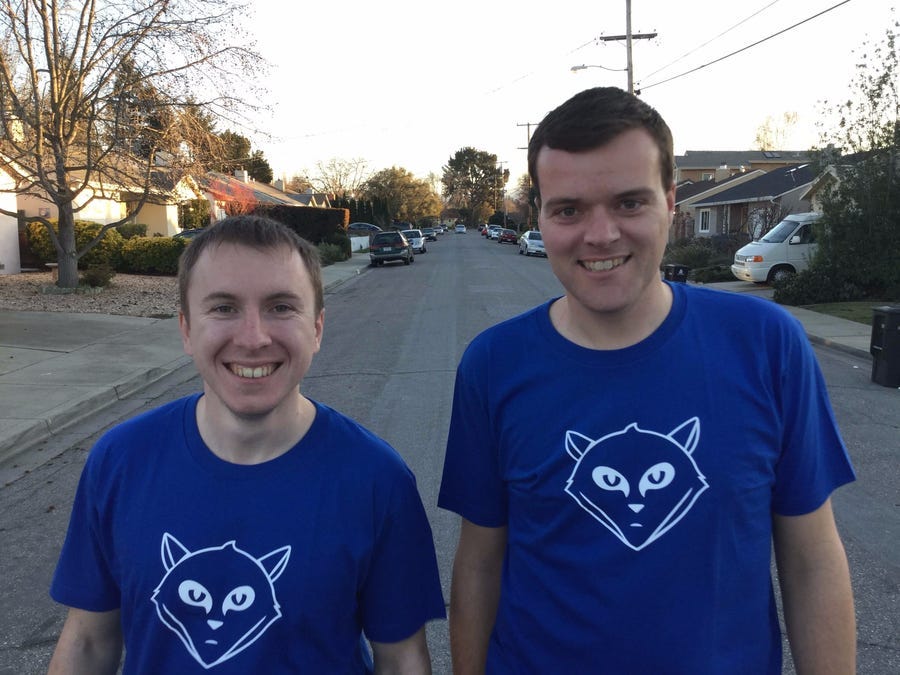
Dmitriy and Sid at Y Combinator Dmitriy 和 Sid 在 Y Combinator

Dmitriy Zaporozhets and Sid Sijbrandij at Y Combinator W15. Source: Century of Biology

Dmitriy Zaporozhets 和 Sid Sijbrandij 在 Y Combinator W15。来源:Century of Biology

🔬 Deep Dive: What is GitLab?

GitLab is an open-source DevOps platform used by developers worldwide to plan, build, test, and deploy software — all in one application. Think of it as the control center for building software. It competes with GitHub (owned by Microsoft) but differentiates by being fully open-core and offering the entire DevOps lifecycle in a single tool.

After Y Combinator W15, GitLab grew to 2,500+ employees, went fully remote (no offices), and IPO'd on October 14, 2021. It reached a $6.4 billion market cap and generates roughly $800 million in annual revenue.

🔬 深入了解:什么是 GitLab?

GitLab 是一个开源 DevOps 平台,全球开发者用它来规划、构建、测试和部署软件——全部在一个应用中完成。可以把它想象成构建软件的控制中心。它与 GitHub(微软旗下)竞争,但以完全开源核心和在单一工具中提供整个 DevOps 生命周期而著称。

经过 Y Combinator W15 之后,GitLab 发展到 2500+ 员工,完全远程办公(没有办公室),于 2021 年 10 月 14 日 IPO。市值达到 64 亿美元,年收入约 8 亿美元。

🏗️ CULTURE 🏗️ 文化

Radical Transparency as a Superpower

极度透明:GitLab 的超能力

GitLab's handbook is 3,000+ pages, publicly hosted for anyone to read. Their YouTube channel has over 13,000 unfiltered videos — meetings, strategy sessions, all-hands calls. Everything open. This radical transparency wasn't just a business strategy. It was a philosophy that would later define how Sid approached his cancer diagnosis: share everything, hide nothing, and let the collective intelligence of the world help solve your problem.
GitLab 的员工手册超过 3000 页,公开托管供任何人阅读。他们的 YouTube 频道有超过 13,000 个未经过滤的视频——会议、战略讨论、全员大会。一切公开。这种极度透明不仅仅是商业策略,更是一种哲学——后来定义了 Sid 面对癌症诊断的方式:分享一切,不隐瞒任何东西,让全世界的集体智慧帮助解决问题。
🔬 Deep Dive: Why radical transparency matters for cancer

Sid later applied this same principle to his medical data. He published 25 terabytes of his diagnostic data on osteosarc.com — including single-cell sequencing, MRI scans, treatment timelines, and genetic analyses. This open-source approach to health data is unprecedented for an individual cancer patient, enabling researchers and other patients worldwide to learn from his journey.

🔬 深入了解:为什么极度透明对癌症很重要

Sid 后来将同样的原则应用于他的医疗数据。他在 osteosarc.com 上发布了 25 TB 的诊断数据——包括单细胞测序、MRI 扫描、治疗时间线和基因分析。这种开源的健康数据方式对个人癌症患者来说是前所未有的,使全球的研究人员和其他患者能够从他的历程中学习。

💔 The Diagnosis

💔 确诊

November 18, 2022 — a bench press, a hospital visit, and a life turned upside down.

2022 年 11 月 18 日——一次卧推、一次急诊、一个天翻地覆的人生。

💔 DIAGNOSIS 💔 确诊

Pain During a Bench Press

卧推时的剧痛

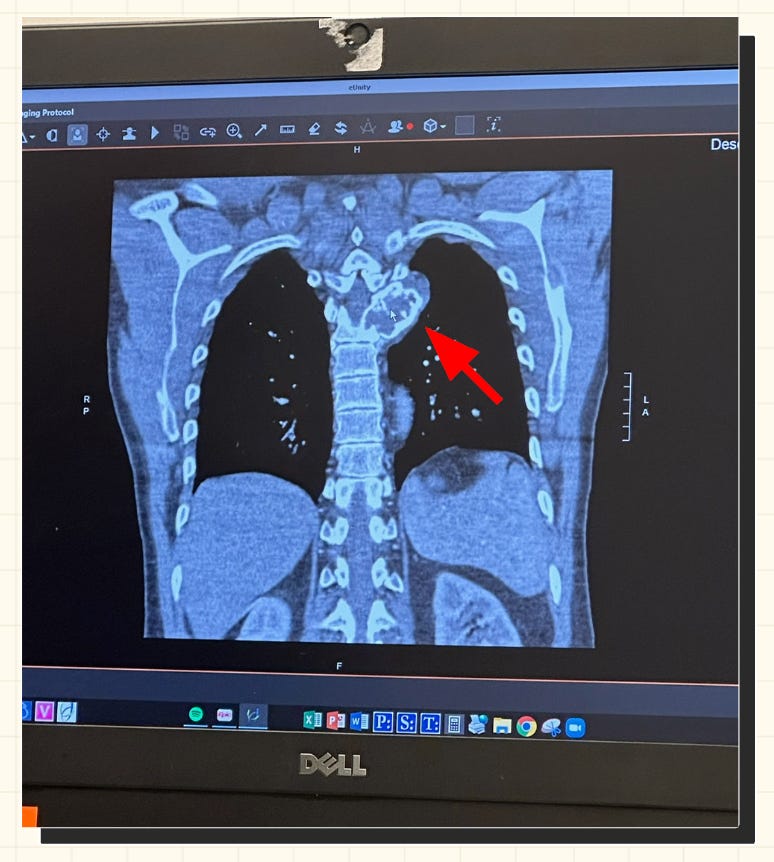
On November 18, 2022, Sid felt a sharp pain while doing a bench press. He went to the ER, where doctors discovered a 6-centimeter tumor extending from his T5 vertebrae. The diagnosis: osteosarcoma — a rare bone cancer that typically affects teenagers. For a 45-year-old, it was extraordinarily unusual. Fewer than 1,000 Americans are diagnosed with osteosarcoma per year, and if it recurs, survival is measured in months.
2022 年 11 月 18 日,Sid 在做卧推时感到剧痛。他去了急诊室,医生发现了一个从 T5 椎骨延伸出的 6 厘米肿瘤。诊断结果:骨肉瘤——一种通常影响青少年的罕见骨癌。对于一个 45 岁的人来说,这极其罕见。每年不到 1000 名美国人被诊断为骨肉瘤,如果复发,存活期以月计算。
Sid's tumor imaging scan Sid 的肿瘤影像扫描

Tumor imaging showing the 6cm mass on T5 vertebrae. Source: Sid / Century of Biology

肿瘤影像显示 T5 椎骨上 6 厘米的肿块。来源:Sid / Century of Biology

🔬 Deep Dive: What is osteosarcoma?

Osteosarcoma is a cancer that produces immature bone. It's the most common primary bone cancer, but still extremely rare — fewer than 1,000 new cases per year in the US. It typically strikes teenagers during growth spurts, making Sid's diagnosis at 45 highly unusual. The 5-year survival rate for localized disease is around 60-70%, but for recurrent or metastatic disease, outcomes are much grimmer.

🔬 深入了解:什么是骨肉瘤?

骨肉瘤是一种产生不成熟骨骼的癌症。它是最常见的原发性骨癌,但仍然极为罕见——美国每年新发病例不到 1000 例。它通常在青少年生长发育期间发病,使得 Sid 在 45 岁时的诊断非常不寻常。局限性疾病的 5 年生存率约为 60-70%,但对于复发或转移性疾病,预后要严峻得多。

💔 TREATMENT 💔 治疗

The Devastating Standard of Care

毁灭性的标准治疗
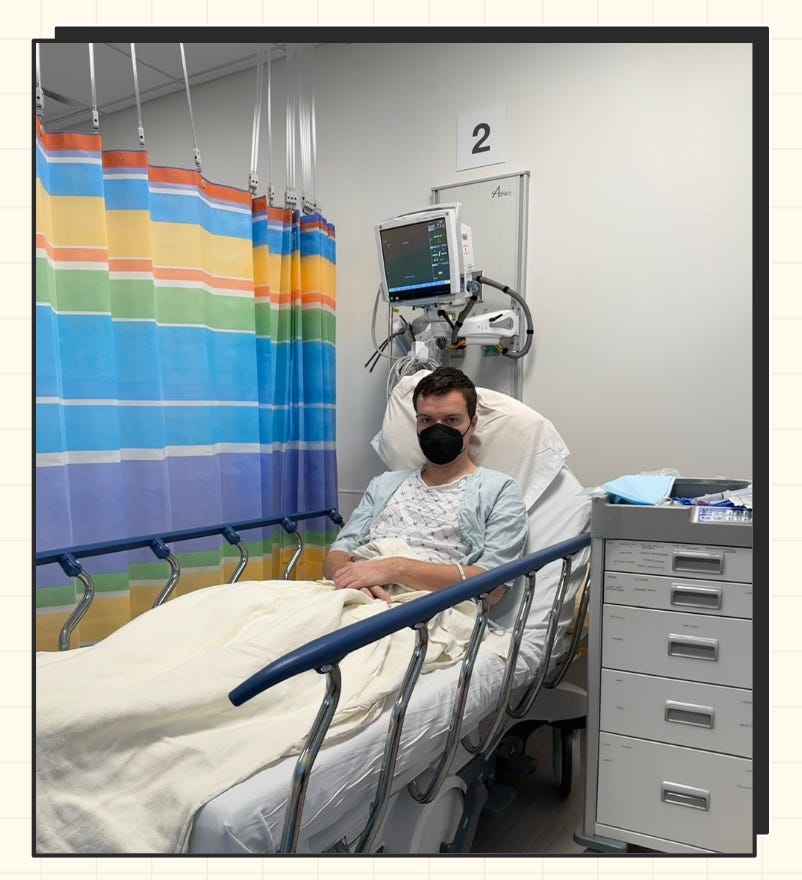
The treatment was brutal: surgery to remove the affected vertebrae and fuse his spine with titanium, followed by SBRT radiation, proton beam therapy, and 6 cycles of intensive chemotherapy — 4 rounds of doxorubicin/cisplatin and 2 of AIM. Sid required 4 blood transfusions, lost his hair, and could barely walk. The chemo left lasting effects on his heart and brain. But by 2023, Sid was in remission.
治疗过程是残酷的:手术切除受影响的椎骨并用钛金属融合脊柱,随后是 SBRT 放疗、质子束治疗和 6 个周期的强化化疗——4 个周期的多柔比星/顺铂和 2 个周期的 AIM。Sid 需要 4 次输血,掉了头发,几乎无法行走。化疗对他的心脏和大脑留下了持久的影响。但到 2023 年,Sid 进入了缓解期。
Sid at the start of cancer care, 2023 Sid 在开始癌症治疗时,2023

Sid at the start of cancer care, 2023. Source: Sid / Century of Biology

Sid 在开始癌症治疗时,2023 年。来源:Sid / Century of Biology

🔬 Deep Dive: How spine fusion works

Spinal fusion surgery replaces damaged vertebrae with titanium hardware that permanently connects two or more vertebrae together. This stabilizes the spine but eliminates flexibility in that segment. For Sid, the surgery removed the T5 vertebra where the tumor was anchored and replaced it with metal scaffolding. Recovery from this surgery alone takes months.

🔬 Deep Dive: SBRT and proton beam therapy

SBRT (Stereotactic Body Radiation Therapy) delivers very high doses of radiation to a small, precisely defined area in just a few sessions (compared to weeks of conventional radiation). Proton beam therapy uses protons instead of X-rays, allowing more precise targeting that deposits most energy directly in the tumor while sparing surrounding tissue. Both represent the most advanced forms of radiation available.

🔬 深入了解:脊柱融合手术如何运作

脊柱融合手术用钛金属硬件替换损坏的椎骨,将两个或多个椎骨永久连接在一起。这稳定了脊柱但消除了该节段的灵活性。对于 Sid,手术切除了肿瘤所在的 T5 椎骨,并用金属支架替换。单是这个手术的恢复就需要数月时间。

🔄 The Recurrence

🔄 复发

"You're done with standard of care. Good luck."

"标准治疗已经用尽了。祝你好运。"

🔄 INNOVATION 🔄 创新

Click Chemistry: A YC Connection Saves the Day

点击化学:YC 校友网络的救命之恩

Before the recurrence, Sid had already taken a step beyond standard care. José M. Mejía Oneto, founder of Shasqi, was a Y Combinator W15 batchmate. Sid had invested in Shasqi since 2017. The company used click chemistry — a technology that won the Nobel Prize in 2022 — to deliver drugs precisely to tumor sites. Through a single-patient IND (Investigational New Drug) application, Sid became the first person to try Shasqi's click chemistry treatment. It opened his mind to what was possible outside standard care.
在复发之前,Sid 已经迈出了超越标准治疗的一步。Shasqi 的创始人 José M. Mejía Oneto 是 Y Combinator W15 的同期校友。Sid 从 2017 年起就投资了 Shasqi。该公司使用点击化学——一项在 2022 年获得诺贝尔奖的技术——将药物精确递送到肿瘤部位。通过单患者 IND(研究性新药)申请,Sid 成为第一个尝试 Shasqi 点击化学治疗的人。这打开了他对标准治疗之外可能性的认知。
🔬 Deep Dive: What is click chemistry?

Click chemistry refers to a set of simple, reliable chemical reactions where molecules "click" together like LEGO bricks. In cancer treatment, one component is injected near the tumor, and a drug-carrying component is injected into the bloodstream. The two click together only at the tumor site, concentrating the drug exactly where it's needed while sparing the rest of the body. Carolyn Bertozzi, Morten Meldal, and Barry Sharpless shared the 2022 Nobel Prize in Chemistry for developing this approach.

🔬 Deep Dive: What is a single-patient IND?

A single-patient IND (Form 3926) allows an individual patient to access an experimental drug outside of a clinical trial when no comparable treatment exists. The FDA approves 99.7% of these applications (they now say 100%) and typically responds within 48 hours. It's an underused pathway that most patients and even many oncologists don't know about. Sid has filed 5 such applications, all approved.

🔬 深入了解:什么是点击化学?

点击化学是指一组简单、可靠的化学反应,分子像乐高积木一样"咔嗒"拼接在一起。在癌症治疗中,一个组分注射到肿瘤附近,一个携带药物的组分注射到血液中。两者仅在肿瘤部位结合,将药物精确集中在需要的地方,同时保护身体其他部分。Carolyn Bertozzi、Morten Meldal 和 Barry Sharpless 因开发这种方法共享了 2022 年诺贝尔化学奖。

🔄 SETBACK 🔄 挫折

"Good Luck" — When Standard Care Runs Out

"祝你好运"——当标准治疗用尽之时

After two years in remission, 2024 brought devastating news: local progression detected. The cancer was back. And this time, the medical system had nothing left to offer. "You're done with standard of care. Good luck!" That was essentially the message. Sid stepped down as CEO of GitLab at the end of 2024, becoming Executive Chair. He started Kilo Code, a software company. And then he turned his full founder energy toward the hardest problem he'd ever faced.
经过两年的缓解期,2024 年带来了毁灭性的消息:检测到局部进展。癌症回来了。而这一次,医疗系统已经没有什么可以提供的了。"标准治疗已经用尽了。祝你好运!"这基本上就是收到的信息。Sid 在 2024 年底卸任 GitLab CEO,成为执行董事长。他创办了 Kilo Code 软件公司。然后他将全部创始人能量转向了他所面临的最困难的问题。

"It became my own job to keep myself alive. Nobody else was going to do it for me at this point."

— Sid Sijbrandij

"保持自己活着成了我自己的工作。在这个时刻,没有其他人会替我做这件事。"

— Sid Sijbrandij

⚔️ Founder Mode

⚔️ 创始人模式

Paul Graham's essay, applied to cancer. Three principles that changed everything.

Paul Graham 的文章,应用于癌症。三个改变一切的原则。

⚔️ STRATEGY ⚔️ 策略

Three Principles of Founder Mode Cancer Fighting

创始人模式抗癌三原则

Inspired by Paul Graham's "Founder Mode" essay, Sid distilled his approach into three principles: (1) Maximal Diagnostics — do every test available, and do them often. (2) Make 10+ Personalized Treatments — don't rely on one silver bullet; build an arsenal. (3) Treatments in Parallel, Not Serial — don't wait for one to fail before trying the next; run them simultaneously. This wasn't how the medical system worked. But it was how founders build companies.
受 Paul Graham "创始人模式"文章的启发,Sid 将他的方法提炼为三个原则:(1) 最大化诊断——做所有可用的检测,并且经常做。(2) 制造 10+ 种个性化疗法——不依赖单一银弹;建立武器库。(3) 并行治疗,而非串行——不要等一个失败了再尝试下一个;同时运行。这不是医疗系统的运作方式。但这是创始人建立公司的方式。
🔬 Deep Dive: Why doctors resist this approach

The medical system is designed around liability minimization, not survivability maximization. Doctors face IRB (Institutional Review Board) oversight, malpractice risk, and institutional inertia. Sid describes IRBs as a "vetocracy" — organizations whose power comes from saying no. The incentive structure means doctors default to the safest known path, even when that path leads nowhere for a patient with recurrent cancer. Sid's philosophy: "I'd rather die from a treatment than from the cancer."

🔬 深入了解:为什么医生抗拒这种方法

医疗系统的设计围绕着最小化责任,而非最大化存活率。医生面临 IRB(机构审查委员会)监督、医疗事故风险和制度惯性。Sid 将 IRB 描述为"否决体制"——其权力来自于说不。激励结构意味着医生默认选择最安全的已知路径,即使对于复发癌症患者来说这条路已经走到了尽头。Sid 的哲学:"我宁愿死于治疗,也不愿死于癌症。"

⚔️ TEAM ⚔️ 团队

Assembling the Cancer SWAT Team

组建癌症 SWAT 特战队

Like any startup, Sid needed a team. He assembled a layered structure: concierge medicine practices (Private Medical, Private Health Management), a clinical advisory board of oncologists, and a scientific advisory board (including Pathfinder Oncology). His mantra: "I'll talk to anyone, I'll go anywhere, and I can be there anytime." He hired Purnima full-time to help other patients navigate the same system, reachable at [email protected].
就像任何创业公司一样,Sid 需要一个团队。他组建了一个分层结构:专属医疗服务(Private Medical、Private Health Management)、由肿瘤科医生组成的临床顾问委员会,以及科学顾问委员会(包括 Pathfinder Oncology)。他的口头禅:"我愿意和任何人交流,我愿意去任何地方,我随时都能到。"他全职雇用了 Purnima 来帮助其他患者导航同一系统。

"I'll talk to anyone, I'll go anywhere, and I can be there anytime."

— Sid Sijbrandij

"我愿意和任何人交流,我愿意去任何地方,我随时都能到。"

— Sid Sijbrandij

🧬 Maximal Diagnostics

🧬 最大化诊断

Five diagnostic pillars, 25 terabytes of data, and an AI revolution in genomics.

五大诊断支柱、25 TB 数据,以及基因组学中的 AI 革命。

🧬 DIAGNOSTICS 🧬 诊断

The Five Pillars of Maximal Diagnostics

最大化诊断的五大支柱
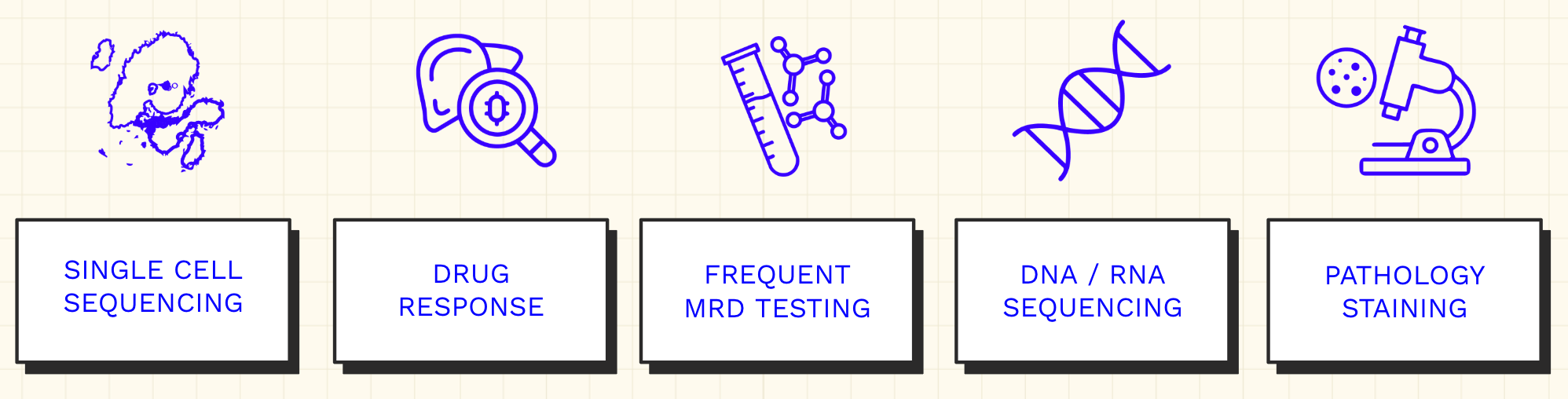
Sid's diagnostic strategy went far beyond standard bloodwork: (1) Single-cell sequencing (10x Genomics) — analyzing individual tumor cells rather than bulk averages. (2) Bulk DNA/RNA sequencing — whole genome and transcriptome profiling. (3) MRD testing — minimal residual disease detection, catching cancer at the molecular level before imaging can see it. (4) Organoid drug models — growing miniature tumor replicas in the lab to test drugs before using them in Sid. (5) Pathology stains and targeted radiodiagnostics — specialized imaging to find what standard scans miss.
Sid 的诊断策略远远超出了标准血液检查:(1) 单细胞测序(10x Genomics)——分析单个肿瘤细胞而非批量平均值。(2) 批量 DNA/RNA 测序——全基因组和转录组分析。(3) MRD 检测——最小残留疾病检测,在影像能看到之前在分子水平捕捉癌症。(4) 类器官药物模型——在实验室中培养微型肿瘤复制品,在用于 Sid 之前测试药物。(5) 病理学染色和靶向放射诊断——专门的成像,以发现标准扫描遗漏的内容。
Five pillars of maximal diagnostics 最大化诊断的五大支柱

The five pillars of maximal diagnostics. Source: Century of Biology

最大化诊断的五大支柱。来源:Century of Biology

🔬 Deep Dive: How single-cell sequencing works

Traditional sequencing blends all cells together, giving you an average — like blending every instrument in an orchestra into a single note. Single-cell sequencing (using 10x Genomics technology) captures each cell individually, revealing the full diversity within a tumor. This exposed fibroblast markers (KERA, LUM, EPYC, FAP) in Sid's tumor that bulk sequencing would have averaged out. It was this single-cell data that ultimately led to the FAP-targeting radioligand therapy breakthrough.

🔬 深入了解:单细胞测序如何工作

传统测序将所有细胞混合在一起,给你一个平均值——就像将管弦乐队中的每种乐器混合成一个音符。单细胞测序(使用 10x Genomics 技术)单独捕获每个细胞,揭示肿瘤内的全部多样性。这暴露了 Sid 肿瘤中的成纤维细胞标记物(KERA、LUM、EPYC、FAP),这些在批量测序中会被平均掉。正是这些单细胞数据最终导致了 FAP 靶向放射配体治疗的突破。

🧬 AI + GENOMICS 🧬 AI + 基因组学

Jacob Stern: The CEO of Sid's Care

Jacob Stern:Sid 治疗的"CEO"

Jacob Stern left his position as a director at 10x Genomics to become, in effect, the CEO of Sid's cancer care. A genomics expert, Jacob brought the rigor of computational biology to Sid's fight. When he first tried to get Sid's sequencing data beyond standard reports, it was "shockingly hard." But once they had the data, AI transformed everything. Jacob fed bulk RNA CSVs to ChatGPT 4.0 — which flagged B7H3, a key target. Now his custom AI agent pipelines can analyze 600,000 single cells, run literature reviews, write code, and generate insights — all for $20 in API costs and 30 minutes of compute time.
Jacob Stern 离开了他在 10x Genomics 的总监职位,实际上成为了 Sid 癌症治疗的"CEO"。作为基因组学专家,Jacob 将计算生物学的严谨性带入了 Sid 的战斗。当他第一次试图获取超出标准报告的 Sid 测序数据时,"难以置信地困难"。但一旦有了数据,AI 改变了一切。Jacob 将批量 RNA CSV 输入 ChatGPT 4.0——它标记了 B7H3,一个关键靶点。现在他的自定义 AI 代理管道可以分析 60 万个单细胞、进行文献综述、编写代码并生成洞察——全部只需 20 美元的 API 成本和 30 分钟的计算时间。

"AI does feel like an Iron Man suit for navigating arcane medical specialties."

— Jacob Stern

"AI 确实感觉像是一套钢铁侠战甲,用来导航深奥的医学专业领域。"

— Jacob Stern

🔬 Deep Dive: The cost of democratized diagnostics

The building blocks aren't prohibitively expensive: bulk RNA sequencing costs about $50, whole genome sequencing is around $500, and AI analysis tools run $20/month. What's expensive is the expertise to interpret the data, the access to the right tests, and knowing what to ask for. Sid's mission through osteosarc.com is to flatten this knowledge gap so future patients don't need to be tech billionaires to access frontier cancer diagnostics.

🔬 深入了解:民主化诊断的成本

基本构建模块并不是高不可攀的:批量 RNA 测序大约 50 美元,全基因组测序大约 500 美元,AI 分析工具每月 20 美元。真正昂贵的是解读数据的专业知识、获取正确测试的途径,以及知道该问什么。Sid 通过 osteosarc.com 的使命是缩小这种知识差距,让未来的患者不需要成为科技亿万富翁才能获得前沿的癌症诊断。

🧬 DATA 🧬 数据

25 Terabytes: Open-Sourcing a Cancer

25 TB:将癌症数据开源
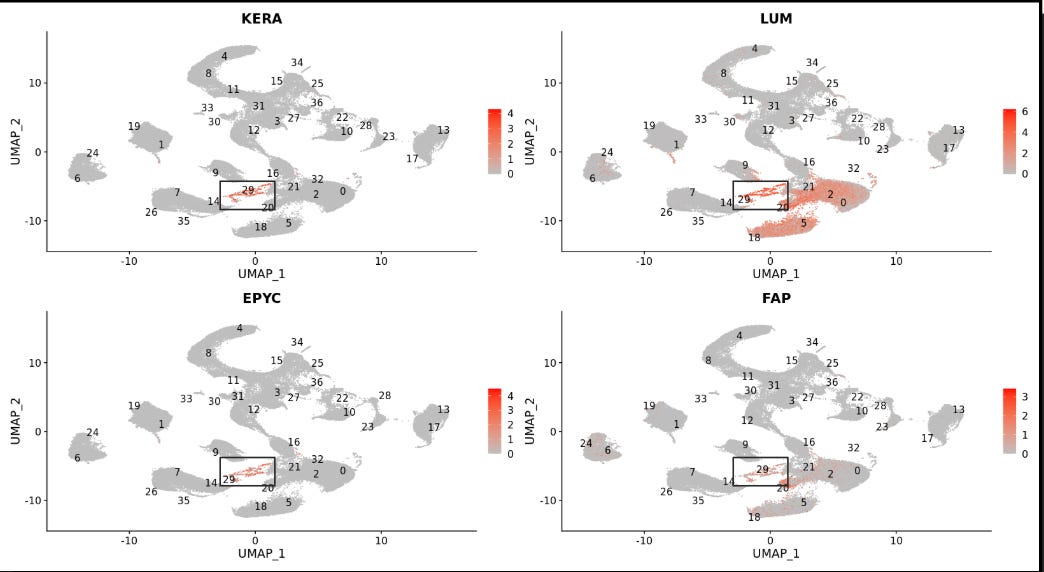
True to his GitLab roots, Sid published 25 terabytes of his diagnostic data on osteosarc.com — single-cell sequencing results, treatment timelines, every modality attempted. He also struggled to get his own tissue. Hospitals default to FFPE (formalin-fixed, paraffin-embedded) preservation, which degrades molecular data. Sid's team became what Jacob calls "forward deployed tissue extractors," fighting to get fresh-frozen tumor samples cryopreserved for proper analysis.
忠于他的 GitLab 基因,Sid 在 osteosarc.com 上发布了 25 TB 的诊断数据——单细胞测序结果、治疗时间线、每种尝试的方式。他还在获取自己的组织方面遇到了困难。医院默认使用 FFPE(福尔马林固定石蜡包埋)保存,这会降解分子数据。Sid 的团队成为了 Jacob 所说的"前线组织提取者",争取将新鲜冷冻的肿瘤样本进行低温保存以进行适当的分析。
Single-cell clustering data from Sid's tumor Sid 肿瘤的单细胞聚类数据

Single-cell clustering from Sid's tumor analysis. Source: Century of Biology

Sid 肿瘤分析的单细胞聚类。来源:Century of Biology

☢️ The Breakthrough

☢️ 突破

A tumor that behaves like a wound that never heals — and the radioactive payload that cracked it open.

一个表现得像永远无法愈合的伤口的肿瘤——以及破解它的放射性载荷。

☢️ DISCOVERY ☢️ 发现

"A Wound That Never Heals"

"一个永远无法愈合的伤口"

The single-cell data revealed something unexpected: the tumor was surrounded by fibroblasts expressing markers like KERA, LUM, EPYC, and critically, FAP (Fibroblast Activation Protein). The tumor microenvironment was behaving like a wound that never heals — the fibroblasts were creating a suppressive shield that blocked the immune system from attacking. Even when Sid's immune system was "riled up" with checkpoint inhibitors and NK cells, the tumor environment wouldn't let immune cells in.
单细胞数据揭示了一些意想不到的东西:肿瘤被表达 KERA、LUM、EPYC 以及关键的 FAP(成纤维细胞激活蛋白)等标记物的成纤维细胞包围。肿瘤微环境的行为就像一个永远无法愈合的伤口——成纤维细胞创造了一个抑制性屏障,阻止免疫系统攻击。即使 Sid 的免疫系统被检查点抑制剂和 NK 细胞"激活",肿瘤环境也不允许免疫细胞进入。
🔬 Deep Dive: What are fibroblasts and FAP?

Fibroblasts are the cells responsible for wound healing — they lay down collagen and structural tissue. FAP (Fibroblast Activation Protein) is normally found on fibroblasts during wound repair but disappears once healing is complete. In many tumors, FAP-expressing fibroblasts persist indefinitely, creating a suppressive cocoon that signals immune cells to stand down. By targeting FAP, you're not attacking the cancer cells directly — you're destroying the shield that protects them.

🔬 深入了解:什么是成纤维细胞和 FAP?

成纤维细胞是负责伤口愈合的细胞——它们铺设胶原蛋白和结构组织。FAP(成纤维细胞激活蛋白)通常在伤口修复期间出现在成纤维细胞上,但一旦愈合完成就会消失。在许多肿瘤中,表达 FAP 的成纤维细胞无限期存在,创造了一个抑制性茧,向免疫细胞发出停止信号。通过靶向 FAP,你不是直接攻击癌细胞——你是在摧毁保护它们的盾牌。

☢️ TREATMENT ☢️ 治疗

Radioligand Therapy in Germany: The Theranostic Approach

德国的放射配体治疗:诊疗一体化方法
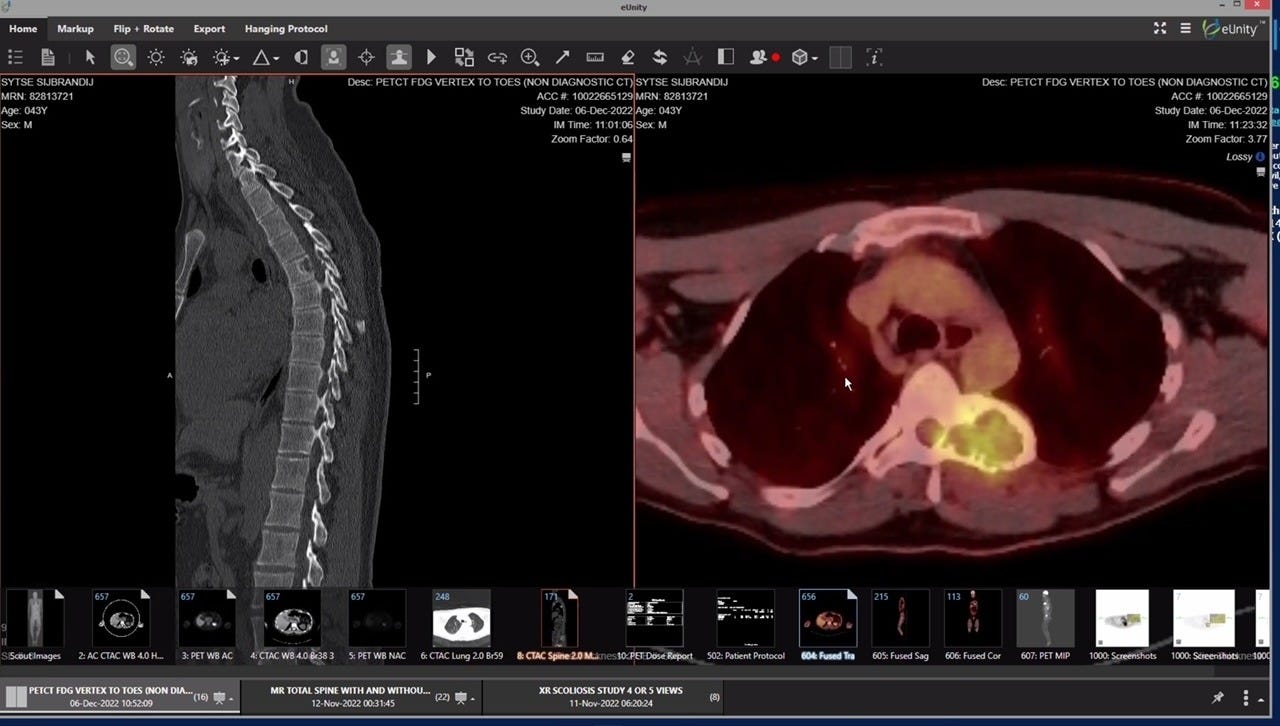
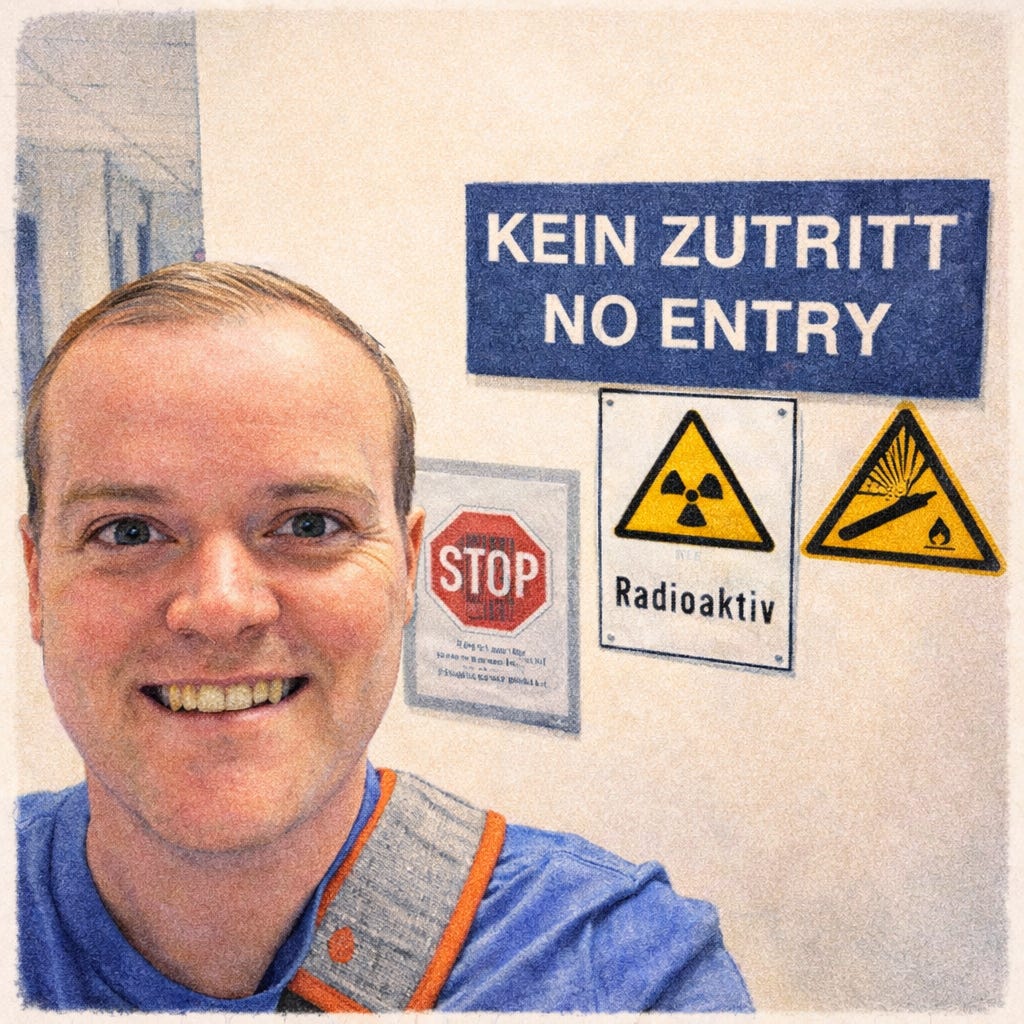
Armed with the FAP discovery, Sid traveled to Germany for radioligand therapy — a "theranostic" approach. First, a cold (non-radioactive) isotope scan: the FAP-targeting molecule was injected, and the tumor lit up in bright yellow. Proof the targeting worked. Then, the hot payload: Lutetium-177, a radioactive isotope attached to the same FAP-targeting molecule. The radiation delivered directly to the tumor microenvironment. Sid had to be quarantined afterward due to radioactivity. But the treatment was dramatically more tolerable than chemotherapy.
凭借 FAP 的发现,Sid 前往德国接受放射配体治疗——一种"诊疗一体化"方法。首先是冷(非放射性)同位素扫描:注入 FAP 靶向分子,肿瘤发出明亮的黄色光。证明靶向有效。然后是热载荷:镥-177,一种附着在同一 FAP 靶向分子上的放射性同位素。辐射直接递送到肿瘤微环境。Sid 之后因放射性而被隔离。但这种治疗比化疗耐受性好得多。
FAP tumor scan showing the tumor lit up in yellow FAP 肿瘤扫描显示肿瘤发出黄色光

FAP-targeting scan showing the tumor lit up in yellow. Source: Sid / Century of Biology

FAP 靶向扫描显示肿瘤发出黄色光。来源:Sid / Century of Biology

🔬 Deep Dive: How radioligand therapy works

Radioligand therapy is like a guided missile system. A targeting molecule (the "ligand") seeks out a specific protein on cancer cells — in this case, FAP. Attached to the ligand is a radioactive isotope (Lutetium-177) that emits beta radiation, destroying nearby cells. The beauty: it delivers radiation precisely to the tumor while leaving most of the body untouched. The "theranostic" approach first uses a diagnostic version (cold scan) to confirm the target lights up, then switches to the therapeutic version (hot payload).

🔬 深入了解:放射配体治疗如何工作

放射配体治疗就像一个导弹制导系统。靶向分子("配体")寻找癌细胞上的特定蛋白质——在这种情况下是 FAP。附着在配体上的是放射性同位素(镥-177),它发射β辐射,摧毁附近的细胞。其美妙之处在于:它将辐射精确递送到肿瘤,同时保持身体大部分不受影响。"诊疗一体化"方法首先使用诊断版本(冷扫描)确认靶标亮起,然后切换到治疗版本(热载荷)。

☢️ RESULTS ☢️ 结果

60% Necrosis, 19% → 89% T-Cell Infiltration

60% 坏死,T 细胞浸润率从 19% 飙升至 89%
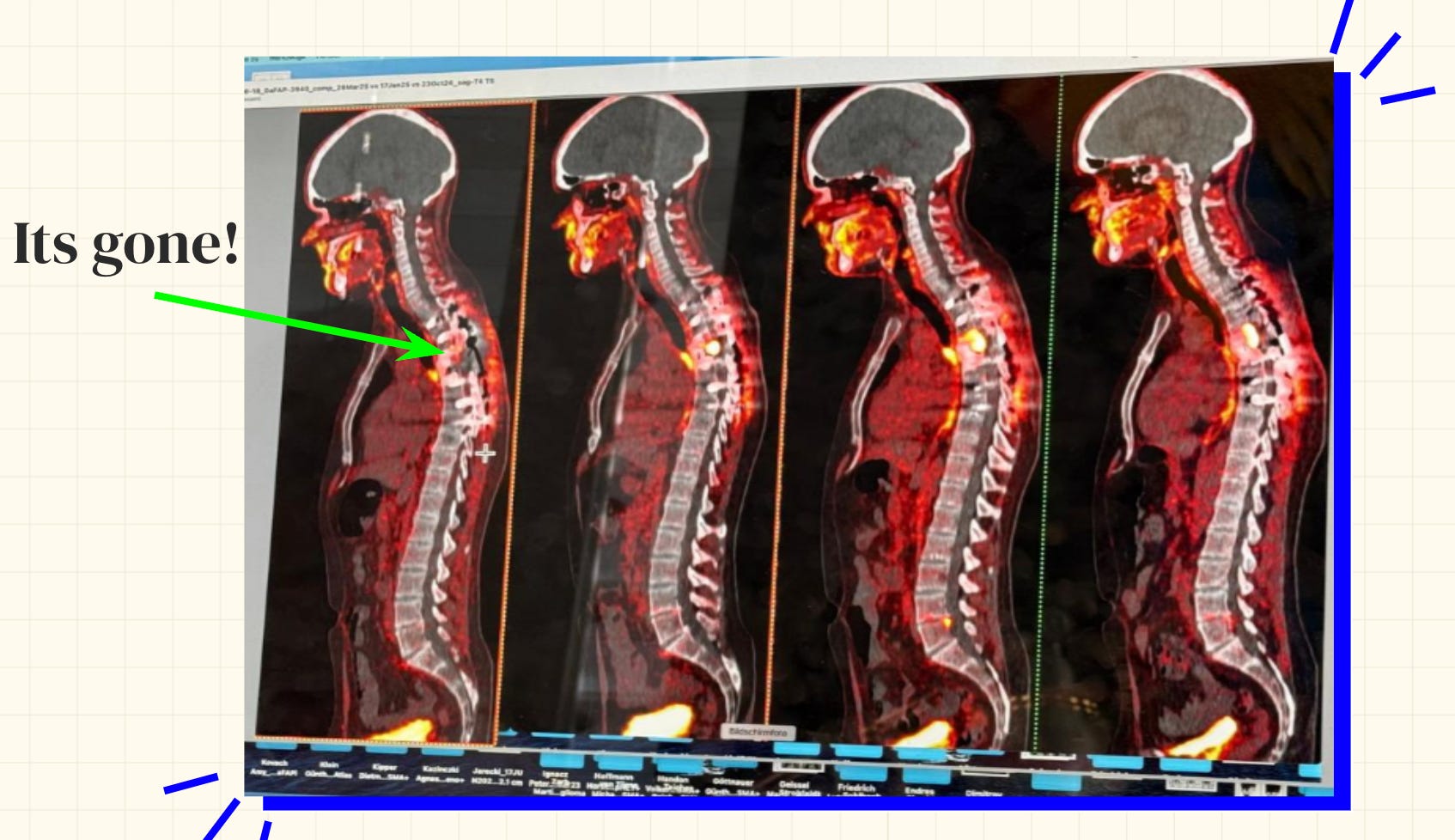
The results were extraordinary: 60% necrosis (cancer cell death), 20% shrinkage, and crucially — the tumor detached from the dura (the membrane protecting the spinal cord), making surgical removal possible. But the most remarkable finding: T-cell infiltration went from 19% to 89%. The immune system went into hyperdrive. The hypothesis: disabling the FAP cells stopped their signaling to neutrophils, effectively turning a "cold" tumor "hot" — allowing the immune system to finally attack.
结果是非凡的:60% 坏死(癌细胞死亡)、20% 缩小,关键的是——肿瘤从硬脑膜(保护脊髓的膜)脱离,使手术切除成为可能。但最引人注目的发现是:T 细胞浸润率从 19% 上升到 89%。免疫系统进入了超速运转。假设是:禁用 FAP 细胞停止了它们向中性粒细胞的信号传导,有效地将"冷"肿瘤变成了"热"肿瘤——让免疫系统终于可以发起攻击。
Before and after surgery progression 手术前后进展

Before/after surgery progression. Source: Century of Biology

手术前后进展。来源:Century of Biology

"We suspect what happened is that because we disabled the FAP cells, they stopped signaling to the neutrophils. And we turned the cold tumor hot."

— Jacob Stern

"我们怀疑发生的事情是,因为我们禁用了 FAP 细胞,它们停止了向中性粒细胞发送信号。我们将冷肿瘤变成了热肿瘤。"

— Jacob Stern

💊 The Arsenal

💊 武器库

mRNA vaccines, engineered T-cells, logic-gated CAR-T, and drugs rescued from the freezer.

mRNA 疫苗、工程化 T 细胞、逻辑门 CAR-T,以及从冰箱中拯救的药物。

💊 VACCINE 💊 疫苗

Personalized mRNA Cancer Vaccine: 6 Months from Scratch

个性化 mRNA 癌症疫苗:从零到注射仅 6 个月
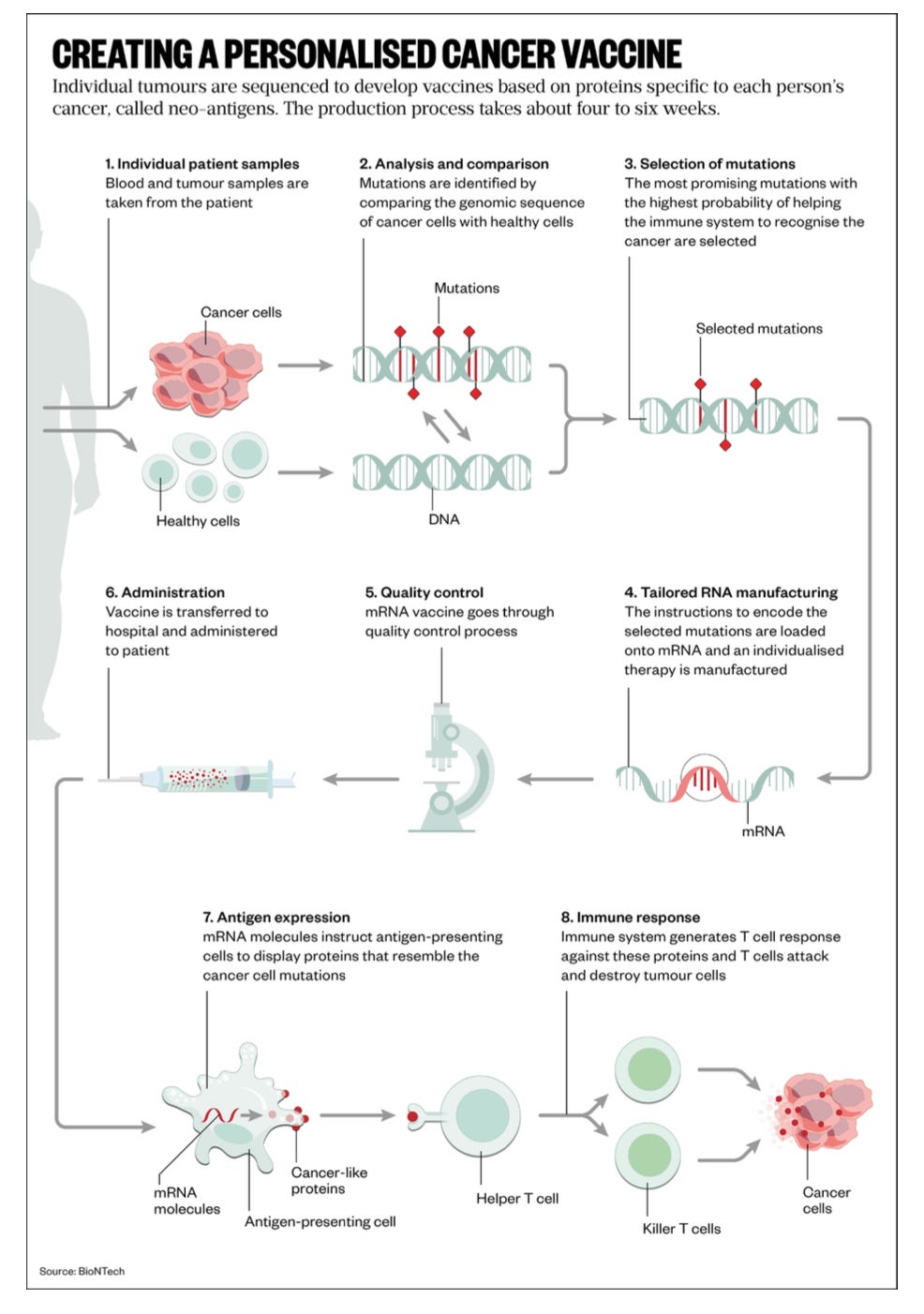
Sid became the first patient of an investigator-initiated trial for a personalized mRNA neoantigen vaccine — from project start to injection in just 6 months. The vaccine teaches Sid's immune system to recognize and attack unique mutations (neoantigens) found only in his tumor. The neoantigen selection process used multiple algorithms, HLA binding analysis, and variant allele expression profiling to identify the most targetable mutations.
Sid 成为了一项研究者发起的个性化 mRNA 新抗原疫苗试验的第一个患者——从项目启动到注射仅用了 6 个月。该疫苗教导 Sid 的免疫系统识别和攻击仅在他的肿瘤中发现的独特突变(新抗原)。新抗原选择过程使用了多种算法、HLA 结合分析和变异等位基因表达谱分析来识别最具靶向性的突变。
Neoantigen vaccine process diagram 新抗原疫苗过程图

The neoantigen vaccine selection process. Source: Century of Biology

新抗原疫苗选择过程。来源:Century of Biology

🔬 Deep Dive: How mRNA cancer vaccines work

Unlike COVID mRNA vaccines that target a viral protein, cancer mRNA vaccines encode neoantigen peptides unique to a patient's tumor. Once injected, cells read the mRNA instructions and produce these neoantigens on their surface. The immune system recognizes them as foreign and mounts an attack — creating a targeted army of T-cells trained specifically against the patient's cancer. Moderna has shown that a personalized neoantigen vaccine plus checkpoint inhibitor cut melanoma recurrence/death risk nearly in half (December 2023 data).

🔬 深入了解:mRNA 癌症疫苗如何工作

与针对病毒蛋白的 COVID mRNA 疫苗不同,癌症 mRNA 疫苗编码患者肿瘤特有的新抗原肽。注射后,细胞读取 mRNA 指令并在其表面产生这些新抗原。免疫系统将它们识别为外来物质并发起攻击——创建一支专门针对患者癌症训练的 T 细胞大军。Moderna 已经表明,个性化新抗原疫苗加检查点抑制剂将黑色素瘤复发/死亡风险降低了近一半(2023 年 12 月数据)。

💊 CELL THERAPY 💊 细胞疗法

CAR-T with Logic Gates: A Beijing Scare Leads to Innovation

逻辑门 CAR-T:北京的一场虚惊催生创新

B7H3 was identified as a promising CAR-T target. But when Sid traveled to Beijing for a scan in October, his liver showed 3.5x the B7H3 expression compared to 20 Chinese patients tested. Standard B7H3 CAR-T would have destroyed his liver. The solution: AND-gate logic — engineering CAR-T cells that only activate when they detect BOTH B7H3 AND FAP on the same cell. This genetic "logic gate" ensures the therapy kills tumor cells (which express both markers) while sparing healthy liver cells (which express only B7H3).
B7H3 被确定为一个有前景的 CAR-T 靶点。但当 Sid 在 10 月前往北京进行扫描时,他的肝脏显示的 B7H3 表达量是 20 名中国患者的 3.5 倍。标准 B7H3 CAR-T 会摧毁他的肝脏。解决方案:AND 门逻辑——工程化 CAR-T 细胞,只有在同一细胞上同时检测到 B7H3 和 FAP 时才激活。这种遗传"逻辑门"确保疗法杀死肿瘤细胞(表达两种标记物)同时保留健康的肝细胞(仅表达 B7H3)。
🔬 Deep Dive: What are genetic logic gates?

In computing, an AND-gate outputs TRUE only when all inputs are TRUE. In CAR-T therapy, the same concept is applied to biology: the engineered T-cell has two receptors. It only activates its killing function when BOTH receptors detect their targets simultaneously on the same cell. This dramatically reduces off-target toxicity — the #1 problem with conventional CAR-T therapy, which can cause fatal immune reactions when it attacks healthy tissue.

🔬 深入了解:什么是遗传逻辑门?

在计算中,AND 门只在所有输入都为 TRUE 时才输出 TRUE。在 CAR-T 治疗中,同样的概念应用于生物学:工程化的 T 细胞有两个受体。它只在两个受体同时在同一细胞上检测到目标时才激活杀伤功能。这大大减少了脱靶毒性——传统 CAR-T 治疗的第一大问题,当它攻击健康组织时可能导致致命的免疫反应。

💊 DISCOVERY 💊 发现

PANX3 and MDM2: Hidden Targets, Rescued Drugs

PANX3 和 MDM2:隐藏的靶点,被拯救的药物

PANX3 — expressed at 10,000x the normal level in Sid's tumor, yet almost entirely unstudied. Why? It's hydrophobic — invisible to standard water-based laboratory tests. A target hiding in plain sight. MDM2 — Sid's expression is in the top 0.3% of ALL cancers (2,600 tumors compared). The drug that could target it was being discontinued by its manufacturer. Sid is literally paying to keep the freezers running so the drug isn't destroyed.
PANX3——在 Sid 的肿瘤中表达量是正常水平的 10,000 倍,但几乎完全未被研究。为什么?因为它是疏水性的——在标准的水基实验室测试中不可见。一个隐藏在众目睽睽之下的靶点。MDM2——Sid 的表达量在所有癌症(比较了 2,600 个肿瘤)中位于前 0.3%。针对它的药物正在被制造商停产。Sid 字面上在付钱维持冰箱运转,以防药物被销毁。
🔬 Deep Dive: Why PANX3 was invisible

PANX3 (Pannexin 3) is a membrane channel protein. Being hydrophobic means it repels water — and since most standard lab assays use water-based solutions, PANX3 simply doesn't show up. It's not in the GTEX database of normal tissue expression, meaning it's virtually absent in healthy tissue but massively overexpressed in Sid's tumor. This makes it a potentially ideal drug target with very low off-target risk — if you can develop a binder for it.

🔬 深入了解:为什么 PANX3 是不可见的

PANX3(Pannexin 3)是一种膜通道蛋白。疏水性意味着它排斥水——由于大多数标准实验室检测使用水基溶液,PANX3 根本不会出现。它不在正常组织表达的 GTEX 数据库中,这意味着它在健康组织中几乎不存在,但在 Sid 的肿瘤中大量过表达。这使它成为一个潜在的理想药物靶点,具有非常低的脱靶风险——如果你能为它开发一个结合剂的话。

💊 STRATEGY 💊 策略

From 0 to 30: The Therapeutic Ladder

从 0 到 30:治疗阶梯
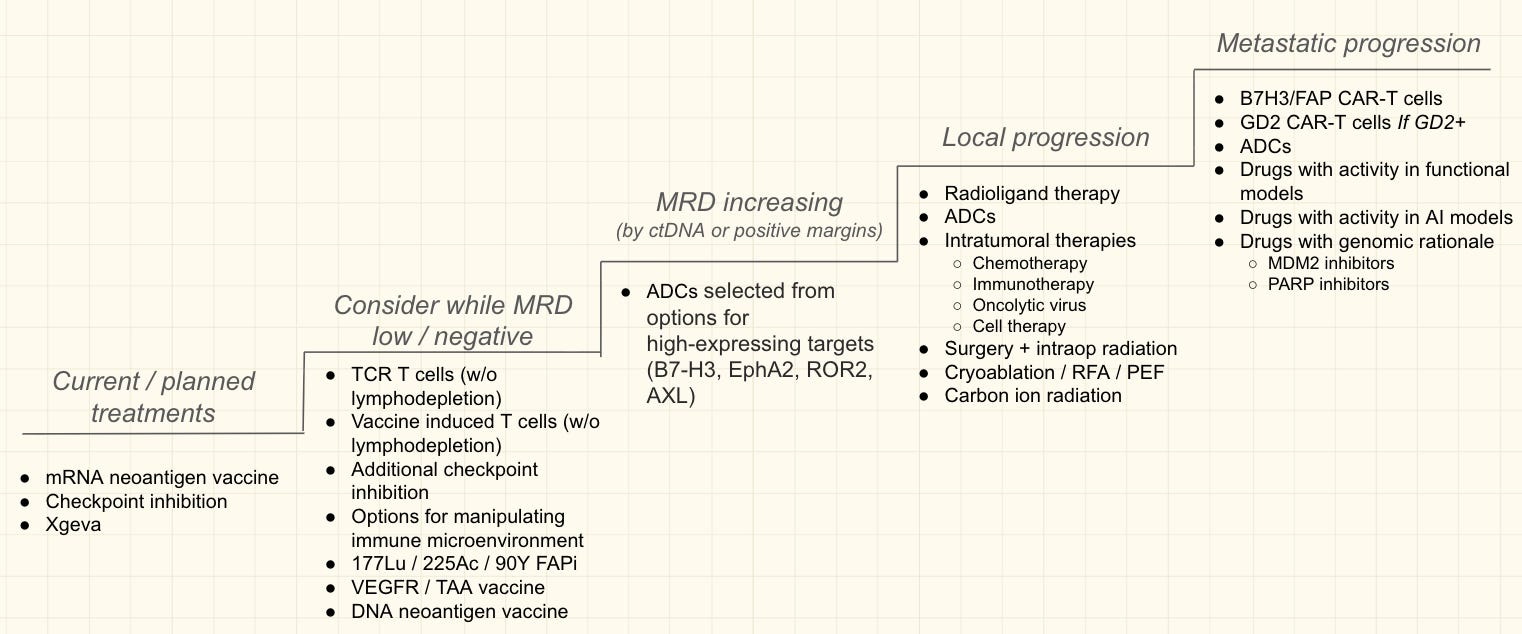
When standard care ended, Sid had zero options. Now he has 30 treatments on a therapeutic ladder — organized by escalation level. At the lowest level (MRD low/negative): mRNA vaccine, checkpoint inhibition, Xgeva. Mid-level: TCR T-cells, radioligand therapy, immune microenvironment manipulation. For local progression: ADCs, intratumoral therapies, oncolytic virus. For metastatic progression: CAR-T, cryoablation, carbon ion radiation, MDM2 inhibitors. Each level holds in reserve for when it's needed most.
当标准治疗结束时,Sid 有零选择。现在他在治疗阶梯上有 30 种治疗方案——按升级级别组织。最低级别(MRD 低/阴性):mRNA 疫苗、检查点抑制、Xgeva。中级:TCR T 细胞、放射配体治疗、免疫微环境调控。局部进展:ADC、瘤内治疗、溶瘤病毒。转移性进展:CAR-T、冷冻消融、碳离子放射、MDM2 抑制剂。每个级别都为最需要时准备。
Therapeutic ladder diagram 治疗阶梯图

The therapeutic ladder: from maintenance to emergency arsenal. Source: Century of Biology

治疗阶梯:从维持到紧急武器库。来源:Century of Biology

🔮 Scaling the Future

🔮 扩展未来

"The future is here, it's just not evenly distributed." — William Gibson

"未来已经到来,只是分布不均匀。"——William Gibson

🔮 ECOSYSTEM 🔮 生态系统

10 Companies Born from One Patient's Fight

一个患者的战斗催生了 10 家公司

Sid's cancer journey didn't just save one life — it spawned an ecosystem. 10 companies have been started: Thalus (gene expression diagnostics using single-cell), Arden (complex immune disorders, blood profiling), Relit, Minuteman, Palitra, and others through evenone.ventures — a VC fund. Plus Oxundra, driving clinical trial abundance. Jacob draws a Palantir analogy: go forward-deployed with one patient, solve their problem completely, then scale the solution to everyone.
Sid 的癌症之旅不仅仅拯救了一条生命——它催生了一个生态系统。10 家公司已经成立:Thalus(使用单细胞的基因表达诊断)、Arden(复杂免疫疾病、血液分析)、RelitMinutemanPalitra,以及通过 evenone.ventures——一个风投基金——创立的其他公司。还有 Oxundra,推动临床试验的丰富性。Jacob 做了一个 Palantir 类比:前线部署到一个患者,彻底解决他们的问题,然后将解决方案扩展到每个人。

"If Sid and a few others like him are Roadster model 001, how do we do the Roadster that somebody can buy off the shelf and work our way from the Model S to the Model 3?"

— Jacob Stern

"如果 Sid 和像他这样的少数人是 Roadster 001 型号,我们如何制造出人人买得起的 Roadster,然后从 Model S 走向 Model 3?"

— Jacob Stern

🔮 SYSTEMS 🔮 系统

Eroom's Law: Why We're Getting LESS Efficient

Eroom 定律:为什么我们越来越低效

Eroom's Law (Moore's Law spelled backwards) describes a devastating trend: drug approvals per billion dollars spent have halved every 9 years since 1950. The average oncology drug development cost from 2017-2020 was $4.4 billion. Meanwhile, it costs roughly $1 million to dose a single person. That discrepancy — $1 billion to approve vs. $1 million to treat — is the highest it's ever been. Sid's argument: we need 100x more medicine, and the only way to get there is to fundamentally reshape the regulatory and economic model.
Eroom 定律(Moore 定律倒过来拼写)描述了一个毁灭性的趋势:自 1950 年以来,每十亿美元支出的药物审批数量每 9 年减半。2017-2020 年平均肿瘤药物开发成本为 44 亿美元。与此同时,给一个人用药的成本大约是 100 万美元。这种差异——批准需要 10 亿美元 vs. 治疗只需 100 万美元——是有史以来最大的。Sid 的论点:我们需要 100 倍更多的药物,而唯一的途径是从根本上重塑监管和经济模式。

"It costs $1 billion to get a drug approved. But it costs $1 million to dose a single person. That discrepancy is the highest it's ever been."

— Sid Sijbrandij

"批准一种药物需要 10 亿美元。但给一个人用药只需要 100 万美元。这种差异是有史以来最大的。"

— Sid Sijbrandij

🔬 Deep Dive: What is Eroom's Law?

Named as the reverse of Moore's Law (which describes exponential improvement in computing), Eroom's Law describes exponential DECLINE in pharmaceutical R&D efficiency. Despite massive advances in biology, genomics, and AI, the cost of bringing a new drug to market has been rising steadily since the 1950s. Reasons include: increasingly stringent regulation, the "low-hanging fruit" problem (easy diseases were cured first), larger clinical trials, and risk-averse institutional culture. Sid believes personalized medicine at scale can break this trend.

🔬 深入了解:什么是 Eroom 定律?

以摩尔定律的反向命名(摩尔定律描述计算能力的指数级提升),Eroom 定律描述了制药研发效率的指数级下降。尽管生物学、基因组学和 AI 取得了巨大进步,但将新药推向市场的成本自 1950 年代以来一直在稳步上升。原因包括:越来越严格的监管、"低垂果实"问题(容易的疾病先被治愈了)、更大的临床试验,以及规避风险的机构文化。Sid 相信大规模的个性化医学可以打破这一趋势。

🔮 VISION 🔮 愿景

The $175,000 Cancer Cure: A Thought Experiment

17.5 万美元的癌症治愈方案:一个思想实验

The Century of Biology article posits a provocative thought experiment: what if a complete personalized cancer treatment package could cost $175,000? With bulk RNA sequencing at $50, whole genome at $500, AI analysis at $20, and generic chemotherapy affordable — the core diagnostics are already cheap. The expensive parts are the specialized therapies and coordination. But with scale, standardized workflows, and AI-driven analysis, personalized cancer treatment could become accessible to ordinary people. Sid's prediction: "Some of the stuff we presented today is going to be the standard of care 30 years from now."
Century of Biology 文章提出了一个挑衅性的思想实验:如果一个完整的个性化癌症治疗方案能够花费 17.5 万美元会怎样?批量 RNA 测序 50 美元、全基因组 500 美元、AI 分析 20 美元、通用化疗可负担——核心诊断已经很便宜了。昂贵的部分是专门的疗法和协调。但随着规模化、标准化工作流程和 AI 驱动的分析,个性化癌症治疗可能变得普通人可及。Sid 的预测:"我们今天展示的一些东西将在 30 年后成为标准治疗方案。"
🔮 RESILIENCE 🔮 韧性

"Stay Paranoid" — The Fight Never Ends

"保持警觉"——战斗永不结束

Even with the tumor removed and T-cells at 89%, Sid lives by the motto "Stay Paranoid." Continuous monitoring: monthly blood reviews with flow cytometry, TCR sequencing, and MRD testing through multiple platforms (Signatera, Personalis, Billion-to-one). The COVID scare — when Sid's lungs lit up on a scan and 6 out of 7 doctors thought it was metastasis — turned out to be COVID remnants. Only one doctor (Sanchala, who had seen 10,000 sarcoma cases) gave a 60% chance it was NOT cancer. She was right. The lesson: expertise matters, and so does getting multiple opinions.
即使肿瘤已被切除、T 细胞达到 89%,Sid 仍以"保持警觉"为座右铭。持续监测:每月通过流式细胞术、TCR 测序和多个平台(Signatera、Personalis、Billion-to-one)进行 MRD 检测的血液检查。那次 COVID 虚惊——当 Sid 的肺部在扫描中亮起,7 位医生中有 6 位认为是转移——结果发现是 COVID 残留。只有一位医生(Sanchala,见过 10,000 例肉瘤)给出了 60% 不是癌症的概率。她是对的。教训:专业知识很重要,获取多方意见也很重要。

"I realized that this guy was living thirty years in the future."

— Jacob Stern, on first meeting Sid

"我意识到这个人活在三十年后的未来。"

— Jacob Stern,初见 Sid 时