Homo Deus: A Brief History of Tomorrow
未来简史:从智人到智神
What happens when humanity conquers famine, plague, and war — and reaches for immortality, happiness, and divine power? Yuval Noah Harari's provocative vision of tomorrow, in key ideas from all three parts of the book.
当人类征服了饥荒、瘟疫与战争,下一步是追逐永生、设计幸福、升级为神?赫拉利振聋发聩的未来图景——全书三大部分,24个核心洞见。
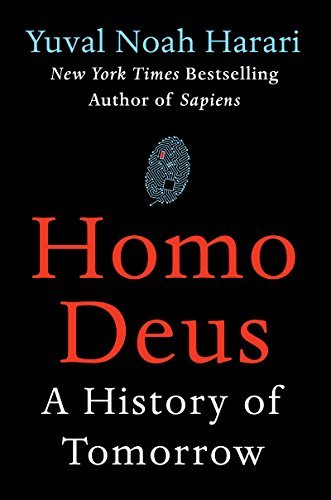 Get the book
获取本书
Get the book
获取本书
🎯 The New Agenda
🎯 全新议程——活下来之后,活成什么?
For millennia, famine, plague, and war dominated the human agenda. Harari's opening move is startlingly optimistic: those problems are largely solved. The 21st century's agenda isn't survival — it's upgrade.
几千年来,饥荒、瘟疫与战争主宰着人类的命运。赫拉利开篇便抛出一个惊人论断:这些问题,我们大体上已经解决了。那接下来呢?21世纪的主题不再是求生存,而是求升级。
Famine, Plague, War — Mission (Mostly) Accomplished
饥荒、瘟疫、战争——几乎大功告成
For most of human history, three horsemen dominated the agenda: starvation, disease, and violence. Harari's opening is startling in its optimism: for the first time ever, more people die from eating too much than from eating too little. More die from old age than from infectious disease. Sugar kills more people than gunpowder.
纵观人类历史,饥饿、疾病、暴力这三匹黑马始终主宰着文明的走向。赫拉利的开场白令人耳目一新:有史以来第一次,死于吃太多的人超过了死于吃太少的人,死于衰老的人超过了死于传染病的人。糖杀死的人比火药还多。
This isn't a victory lap — it's a setup. Harari's real question is: now that we've mostly solved the problems that defined us for millennia, what happens when we start solving problems we were never designed to solve?
这不是胜利的庆功宴,而是一个伏笔。赫拉利真正要问的是:当那些定义了人类数千年的难题被基本解决后,我们开始着手解决那些"超纲题"时,会发生什么?
Death Is Now a Technical Problem
死亡不是宿命,是技术故障
Harari argues that the 21st century will see death reframed — not as an inevitable metaphysical fate, but as a technical failure we haven't yet debugged. Google's Calico lab, billionaire-funded longevity research, and the growing field of gerontology all point the same direction: aging is a disease, and diseases can be cured.
赫拉利认为,21世纪人类将重新定义死亡——它不再是不可逃脱的形而上宿命,而是一个尚未被调试好的技术漏洞。谷歌的Calico实验室、亿万富翁资助的抗衰老研究、蓬勃发展的老年医学,都指向同一个方向:衰老是一种疾病,而疾病是可以被治愈的。
This creates an uncomfortable math problem. If the elites live to 200 and the rest of us don't, immortality doesn't unite humanity — it splits it into biological castes.
这引发了一道令人不安的数学题。如果精英阶层活到200岁而普通人不能,永生非但不会凝聚人类,反而会将其撕裂为生物等级制度。
From Surviving to Thriving — at a Molecular Level
从挣扎求存到分子级的快乐
Having rescued billions from misery, the next target is positive happiness. But Harari points out a paradox: evolution didn't design us for lasting satisfaction. The ancient squirrel who felt permanently blissful after eating one nut wouldn't have survived. We're wired to always want more — which is why modern affluence hasn't made us proportionally happier.
将数十亿人从苦难中拯救出来之后,下一个目标是积极的幸福。然而赫拉利指出了一个悖论:进化从未将我们设计成能长久满足的物种。远古那只吃了一颗坚果就永远心满意足的松鼠,早已灭绝了。我们被"永不餍足"的基因程序所驱动——这就是为什么现代的富足并没有让我们按比例变得更快乐。
If happiness is biochemical, the logical endpoint isn't better lives — it's better drugs. Harari suggests the future of happiness may depend more on pharmacology and brain stimulation than on economics or philosophy.
如果幸福本质上是生化反应,那么通往幸福的终极路径不是更好的生活,而是更好的药物。赫拉利暗示,未来的幸福可能更多地取决于药理学和脑刺激技术,而不是经济学或哲学。
From Survival Mode to God Mode
从求生模式到上帝模式
The logical conclusion of conquering famine, plague, and war is not rest — it's ambition. Harari frames humanity's three new projects: pursuing immortality, engineering happiness, and acquiring divine powers of creation. The goal isn't to fix Homo sapiens — it's to upgrade the species into something new entirely.
征服饥荒、瘟疫与战争之后,人类迎来的不是休憩,而是更大的野心。赫拉利描绘了人类的三大新工程:追求永生、设计幸福、获取神一般的创造力。目标不是修补智人,而是将这个物种升级为一种全新的存在。
Think Greek gods, not the Judeo-Christian God. Harari envisions beings with enormous powers but still carrying human foibles — capable of love and destruction on a scale we can barely imagine.
这里说的是希腊诸神,不是犹太-基督教的上帝。赫拉利设想的是拥有巨大力量但依然保有人性弱点的存在——能在我们难以想象的尺度上去爱,也能在同等尺度上去毁灭。
"For the first time in history, more people die today from eating too much than from eating too little; more people die from old age than from infectious diseases; and more people commit suicide than are killed by soldiers, terrorists and criminals combined."
「有史以来第一次,今天死于吃太多的人超过了死于吃太少的人;死于衰老的人超过了死于传染病的人;自杀身亡的人超过了被士兵、恐怖分子和犯罪分子加在一起杀死的人。」
— Yuval Noah Harari, Homo Deus (Chapter 1)
——尤瓦尔·诺亚·赫拉利,《未来简史》(第一章)
🌍 Conquering the World
🌍 征服世界——我们是怎样变成这颗星球的主人的
Before understanding where humanity is going, Harari asks how we got here. What makes our species uniquely capable of dominating the planet — and at what cost?
在理解人类要往哪里去之前,赫拉利先追问我们是怎么走到今天的。是什么让我们这个物种独一无二地统治了地球?这种统治又付出了什么代价?
Welcome to the Anthropocene
欢迎来到"人类的星球"
Harari marshals devastating statistics: over 90% of the world's large animals (by weight) are now either humans or our livestock. There are 400 million domesticated dogs but only 200,000 wild wolves. 20 billion chickens share the planet with just 50 million penguins. Since 1970, wildlife populations have been cut in half.
赫拉利列举了一组触目惊心的数据:按体重计算,全世界的大型动物中,超过90%要么是人类本身,要么是我们的家畜。地球上有4亿只家犬,却只剩下20万只野狼;200亿只鸡与仅仅5000万只企鹅共处一个星球。1970年以来,全球野生动物种群数量减少了一半。
The Agricultural Revolution, usually celebrated as humanity's greatest leap, gets a savage reassessment. Harari argues it was history's biggest fraud — it made the species more powerful while making individual lives harder. And the real victims weren't just early farmers: it's the billions of animals trapped in industrial farming systems, capable of suffering but denied any consideration.
通常被视为人类伟大飞跃的农业革命,在赫拉利笔下遭到了犀利的重新审视。他认为这是历史上最大的骗局——它让物种变得更强大,却让个体的生活更加艰辛。而真正的受害者不仅仅是早期的农民:数十亿被困在工业化养殖系统中的动物,明明具有感受痛苦的能力,却被完全忽视。
The Anthropocene isn't just a geological label — it's a moral indictment. If you believe human suffering matters because of consciousness — not intelligence — then animal suffering under industrial farming is one of history's greatest crimes.
"人类世"不仅是一个地质学标签——它更是一份道德起诉书。如果你认为人类的苦难之所以重要是因为意识——而非智力——那么工业化养殖下的动物之苦,就是历史上最大的罪行之一。
Not the Smartest — the Best Networked
不是最聪明的——而是网络化最好的
What separates humans from every other species isn't raw intelligence, emotions, or tool use — chimps, dolphins, and crows have those too. The human superpower is flexible large-scale cooperation. A single human is no match for a single chimpanzee. But a thousand humans can build a cathedral, launch a space mission, or run a global economy — because we can cooperate with total strangers through shared fictions.
人类与其他物种的根本区别,不在于智商、情感或工具使用——黑猩猩、海豚、乌鸦同样具备这些能力。人类真正的超能力是灵活的大规模协作。单打独斗,一个人绝非一只黑猩猩的对手。但一千个人可以建造大教堂、发射太空飞船、运转全球经济——因为我们能通过共享的虚构故事与完全陌生的人合作。
This is Harari's key insight, carried from Sapiens: the individual human is unremarkable. The collective human, organized by shared stories, is the most powerful force on Earth.
这是赫拉利从《人类简史》延续而来的核心洞见:单个人类平平无奇。被共同叙事组织起来的人类集体,才是地球上最强大的力量。
You Are a Data-Processing Machine
你就是一台数据处理器
Harari introduces his most provocative framing: all living organisms are algorithms — biochemical systems that process data and make decisions. A baboon calculating whether to approach a lion to get bananas is running an algorithm. So is a human choosing a career. The difference is complexity, not kind.
赫拉利抛出了他最具争议性的框架:一切生命体都是算法——处理数据、做出决策的生化系统。一只狒狒在衡量是否靠近狮子去拿香蕉时,它在运行一个算法。一个人在选择职业时也是如此。差别只是复杂度,而非本质。
If organisms are algorithms, the door is open for non-organic algorithms to do everything we do — and potentially better. This seemingly innocent philosophical point is actually a ticking time bomb that detonates in Part III.
如果生命体就是算法,那么非有机算法就有可能完成我们所做的一切——甚至做得更好。这个看似人畜无害的哲学观点,其实是一颗定时炸弹,将在全书第三部分轰然引爆。
📖 Making Meaning
📖 意义之网——那些统治世界的虚构故事
Humans don't just live in an objective reality of rivers, trees, and lions. We also inhabit an intersubjective reality of nations, money, laws, and gods — things that exist only because millions of people collectively believe in them. This capacity for shared fiction is the source of our power.
人类不仅活在由河流和岩石构成的客观现实中。我们还活在由国家、货币、法律和神灵构成的主体间现实中——这些东西之所以存在,只因为数百万人共同相信它们。正是这种共同虚构的能力,赋予了我们力量。
Money, Nations, and Gods — All Made Up
货币、国家、上帝——全是虚构
Harari's most celebrated insight: humans live in a dual reality. There's the objective reality of rivers, trees, and lions. And there's the intersubjective reality of money, borders, corporations, and human rights — things that exist only because millions of people collectively believe in them. A dollar bill is just paper. A nation is just lines on a map. But through shared belief, these fictions coordinate the actions of millions.
赫拉利最广为流传的洞见:人类生活在一个双重现实中。一面是河流、树木、狮子构成的客观现实;另一面是货币、国界、公司、人权构成的主体间现实——它们之所以存在,仅仅因为数百万人集体相信它们。一张百元钞票不过是纸,一个国家不过是地图上的线条。但通过共同的信念,这些虚构协调着数百万人的行动。
This isn't cynicism — it's the source of humanity's power. Other animals can't build civilizations because they can't agree on useful fictions. We can, and that makes us gods of this planet.
这不是虚无主义——它恰恰是人类力量的源泉。其他动物无法建立文明,因为它们无法就有用的虚构达成共识。我们可以,这让我们成为了这颗星球的主人。
Stories Beat Muscles Every Time
为什么祭司比战士走得更远
Throughout history, the storytellers have wielded more lasting power than the warriors. Genghis Khan conquered the largest land empire in history, but his empire collapsed after a few generations. The anonymous storytellers who wrote the Bible, the Quran, or the founding myths of Rome created narratives that coordinated human behavior for thousands of years.
纵观历史,讲故事的人比舞刀弄枪的人拥有更持久的权力。成吉思汗缔造了史上最大的陆上帝国,但他的帝国几代人就瓦解了。而那些撰写了《圣经》《古兰经》或罗马建城神话的无名叙事者,创造了协调人类行为长达数千年的叙事。
The modern equivalents aren't religions — they're brands, constitutions, and economic theories. The story of the free market, human rights, or national identity does for us what myths did for ancient civilizations.
今天的对等物不再是宗教——而是品牌、宪法和经济理论。自由市场、人权、民族认同的叙事,对我们发挥着与古代神话对古人同样的作用。
Partners, Not Enemies
缔造现代世界的"奇妙搭档"
Harari rejects the popular narrative of science vs. religion. In reality, they've always been partners. Religion provides the ethical judgments and social order; science provides the power. The Scientific Revolution didn't replace religion — it made a deal with it. Science says "I'll give you unprecedented power." Religion says "I'll give you meaning and order." Together, they built modernity.
赫拉利否定了科学与宗教势不两立的流行叙事。在他看来,两者向来是合作伙伴。宗教提供伦理判断和社会秩序,科学提供力量。科学革命并没有取代宗教——它跟宗教做了一笔交易。科学说:"我给你前所未有的力量。"宗教说:"我给你意义与秩序。"两者联手,缔造了现代世界。
The tension comes when science starts undermining religion's claims about reality while religion struggles to keep up. But the partnership persists because humans need both power and meaning — and no single institution provides both.
张力出现在科学开始动摇宗教关于现实的宣称、而宗教又跟不上科学脚步的时候。但这对搭档之所以能持续,是因为人类既需要力量也需要意义——而没有任何单一体制能同时提供两者。
When Fiction Became More Powerful Than Reality
当虚构比现实更强大
The paradox of human progress: the more powerful we become, the more dependent we are on fictions. A medieval peasant needed to understand the physical world to survive. A modern office worker needs to understand corporate hierarchies, financial markets, and legal frameworks — all of which are elaborate fictions. The intersubjective world has become more consequential than the objective one.
人类进步的悖论:我们越强大,就越依赖虚构。一个中世纪的农民需要理解物理世界才能生存。一个现代的白领则需要理解企业层级、金融市场和法律框架——而这些全都是精心构建的虚构。主体间世界已经比客观世界更具决定性。
We can't play football without agreeing on made-up rules, and we can't run economies without shared belief in money. The danger comes when we forget these stories are tools — and start sacrificing real lives to serve imaginary entities.
我们踢不了足球如果不先同意一套人造规则,也运转不了经济如果不共同相信货币。危险在于,当我们忘记这些叙事不过是工具——开始为了服务虚构的实体而牺牲真实的生命。
"Modernity is a surprisingly simple deal. The entire contract can be summarised in a single phrase: humans agree to give up meaning in exchange for power."
「现代性是一笔出奇简单的交易。整份契约可以浓缩成一句话:人类同意放弃意义,来换取力量。」
— Yuval Noah Harari, Homo Deus (Chapter 6)
——尤瓦尔·诺亚·赫拉利,《未来简史》(第六章)
⚖️ The Humanist Revolution
⚖️ 人文主义革命——感觉如何成了新圣经
Modernity struck a deal: give up cosmic meaning in exchange for unprecedented power. The ideology that filled the meaning vacuum was humanism — the worship of human experience. But humanism has its own fault lines, and the 20th century was really a war between its rival sects.
现代性达成了一笔交易:放弃宇宙层面的意义,换取前所未有的力量。填补意义真空的意识形态叫做人文主义——对人类体验的崇拜。但人文主义内部也有断层线,20世纪其实是其不同教派之间的一场战争。
The Deal We Made
现代性的魔鬼交易
Harari frames all of modernity as a single transaction: humans agreed to give up cosmic meaning in exchange for unprecedented power. Pre-modern cultures believed the universe had a grand plan and humans had a role in it. Modernity says: there is no plan, the universe doesn't care about you — but here's antibiotics, nuclear energy, and the internet. Make of it what you will.
赫拉利将整个现代性概括为一笔交易:人类同意放弃宇宙层面的意义,以换取前所未有的力量。前现代文化相信宇宙自有宏大计划,人类在其中扮演一个角色。现代性则说:没有计划,宇宙对你毫不在意——但这里有抗生素、核能和互联网,自己看着办吧。
Humanism replaced God with the human heart. Liberal humanism says: look inside yourself for meaning. The voter knows best. The customer is always right. Follow your heart. This isn't just a philosophy — it's the dominant global religion, governing everything from elections to economics to art criticism.
人文主义用人心取代了上帝。自由人文主义宣称:去内心寻找意义。选民最了解自己。顾客永远是对的。跟随你的心。这不仅仅是一种哲学——它是统治当今世界的主流宗教,从选举到经济到艺术评论,无一不受其支配。
Harari makes a radical claim: humanism is a religion. It has its own dogmas (the sanctity of individual experience), its own rituals (elections, therapy, self-exploration), and its own heresies (suggesting that people don't really know what they want).
赫拉利提出了一个颠覆性的论断:人文主义就是一种宗教。它有自己的教条(个体体验的神圣性)、自己的仪式(选举、心理治疗、自我探索)、以及自己的异端(暗示人们其实并不真正了解自己想要什么)。
Liberal, Socialist, and Evolutionary — A Three-Way Battle
自由派、社会主义、进化论——三足鼎立
Not all humanisms are alike. Liberal humanism worships the individual. Socialist humanism worships the collective. Evolutionary humanism (think Nazism) worships the "superior" human. The great ideological wars of the 20th century — World War II, the Cold War — were really wars between these three humanist sects, each claiming to know the true path to human flourishing.
并非所有的人文主义都是一回事。自由人文主义崇拜个体,社会主义人文主义崇拜集体,进化人文主义(以纳粹为代表)崇拜"优越的"人类。20世纪的伟大意识形态战争——二战和冷战——实质上是人文主义三大教派之间的战争,每一方都声称掌握了通往人类繁荣的真谛。
Liberal humanism won the 20th century, but Harari questions whether it can survive the 21st. Its core premise — that individual feelings are the ultimate source of authority — is precisely what algorithms are designed to override.
自由人文主义赢得了20世纪,但赫拉利质疑它能否活过21世纪。它的核心前提——个体感受是权威的终极来源——恰恰是算法被设计来取代的东西。
The 20th Century Was a Religious War
二十世纪的意识形态之战,本质是一场信息处理竞赛
Reframing the century's great conflicts: World War II wasn't just about territory — it was evolutionary humanism (Nazism) against liberal and socialist humanism. The Cold War was socialist humanism vs. liberal humanism. In this reading, capitalism didn't win because it was morally superior but because it processed data more efficiently. Distributed data processing (free markets, free press) beat centralized data processing (planned economies, state media).
重新定义那个世纪的重大冲突:二战不只是领土之争——它是进化人文主义(纳粹)对阵自由与社会主义人文主义。冷战则是社会主义人文主义与自由人文主义的对决。按此解读,资本主义获胜不是因为道德更高尚,而是因为它处理数据更高效。分布式数据处理(自由市场、自由媒体)打败了集中式数据处理(计划经济、国家媒体)。
This is Harari's most provocative reframing: the Cold War as an information-processing contest. And it raises a chilling question — what happens when a non-human system processes data better than either capitalism or communism?
这是赫拉利最大胆的重构:将冷战视为一场信息处理竞赛。它引出一个令人不寒而栗的问题——当一个非人类系统比资本主义和共产主义都更擅长处理数据时,会发生什么?
🤖 Losing Control
🤖 失控边缘——当算法比你更懂你自己
The book's most unsettling section. Neuroscience is dismantling free will, AI is proving intelligence doesn't require consciousness, and the bedrock of liberal humanism — that individual feelings are the ultimate authority — may have been an illusion all along.
全书最令人坐立不安的部分。神经科学正在瓦解自由意志,人工智能正在证明智能不需要意识,而自由人文主义的根基——个体感受是终极权威——可能从一开始就是一个幻觉。
The Free Will Illusion
实验室里滴答作响的定时炸弹
Neuroscience is delivering a deeply uncomfortable verdict: free will may not exist. Brain-scanning experiments show that decisions are made in the brain milliseconds before we become consciously aware of "choosing." If the feeling of choice is just a post-hoc narrative our brain constructs, then the entire foundation of liberal humanism — that individual feelings are the supreme authority — is built on an illusion.
神经科学正在宣读一份令人极度不适的判决:自由意志可能并不存在。脑部扫描实验表明,大脑在我们意识到"选择"之前数毫秒就已经做出了决定。如果"选择"的感觉只是大脑事后编造的叙事,那么自由人文主义的整个根基——个体感受是最高权威——就建立在一个幻觉之上。
This isn't abstract philosophy. If algorithms can predict your decisions before you "make" them, the liberal ideal of the autonomous individual isn't just challenged — it's obsolete. The voter doesn't know best. The algorithm does.
这不是空谈的哲学。如果算法能在你"做出"决定之前就预测到它,那么自由主义关于自主个体的理想就不仅仅是受到了挑战——而是已经过时。不是选民最了解自己。是算法最了解你。
Intelligence Is Divorcing Consciousness
智能正在与意识离婚
Here's the most chilling idea in the book: for all of human history, high intelligence required consciousness. To play chess, write poetry, or run a company, you needed a conscious mind. But AI is changing that equation. AlphaGo doesn't experience chess — it simply processes data. We're building systems that are increasingly intelligent but have zero consciousness. Intelligence and consciousness, once inseparable, are splitting apart.
全书最令人不寒而栗的观点:在人类历史上,高度智能始终需要意识。下棋、写诗、经营公司,你都需要一个有意识的头脑。但人工智能正在改变这个等式。AlphaGo并不体验围棋——它只是处理数据。我们正在构建越来越聪明但完全没有意识的系统。智能与意识,曾经密不可分的一对,正在分道扬镳。
If intelligence no longer requires consciousness, then consciousness — the thing we value most about being human — may become economically and militarily irrelevant.
如果智能不再需要意识,那么意识——我们作为人类最珍视的东西——可能在经济和军事上变得完全无足轻重。
When Algorithms Know You Better Than You Do
隐私与自主的终结
Harari envisions a near future where biometric algorithms monitor your heart rate, brain activity, and hormone levels 24/7. Your Kindle reads your face while you read it. Your car knows when your attention drifts. Your phone knows you're falling in love before you do. When an external system knows your desires and weaknesses better than you do, the concept of "authentic self-expression" becomes meaningless.
赫拉利描绘了一个近未来:生物识别算法全天候监测你的心率、脑活动和激素水平。你在阅读时,你的Kindle也在"阅读"你的表情。你的车知道你何时走神。你的手机比你自己更早知道你正在坠入爱河。当一个外部系统比你更了解你的欲望和弱点时,"真实的自我表达"就成了一个空洞的概念。
In the 20th century, censorship worked by blocking information. In the 21st century, Harari argues, it works by flooding you with irrelevant information. The threat isn't that someone will silence you — it's that they'll know exactly how to manipulate you.
20世纪的审查靠的是屏蔽信息。赫拉利认为,21世纪的审查靠的是用无关信息淹没你。威胁不在于有人会让你沉默——而在于他们精准地知道如何操纵你。
The Rise of the Useless Class
数十亿人——不再被需要
Previous technological revolutions always created new jobs to replace old ones. But Harari argues this time may be different. AI doesn't just replace manual labor — it can replace cognitive labor too. Doctors, lawyers, traders, drivers — all are algorithms that non-conscious AI could perform more reliably. The result: a growing "useless class" of people who are neither economically nor militarily valuable. Not exploited — just irrelevant.
以往每一次技术革命都会创造新的工作来取代旧的。但赫拉利认为这一次可能不同。人工智能不仅取代体力劳动——它还能取代脑力劳动。医生、律师、交易员、司机——都是非意识的人工智能可以更可靠地执行的算法。结果是:一个不断壮大的"无用阶级",既没有经济价值,也没有军事价值。不是被剥削——只是被无视。
Exploitation was bad, but at least the exploited were needed. The useless class faces something arguably worse: complete irrelevance. In a world where AI soldiers fight wars and AI workers run economies, what's the political incentive to feed and educate billions of surplus humans?
被剥削固然糟糕,但至少被剥削者是被需要的。无用阶级面对的是一种或许更可怕的处境:彻底的无关紧要。在一个由AI士兵打仗、AI工人运转经济的世界里,还有什么政治动力去养活和教育数十亿多余的人?
"The individual will not be crushed by Big Brother; it will disintegrate from within."
「个体不会被'老大哥'碾碎,它将从内部瓦解。」
— Yuval Noah Harari, Homo Deus (Part III)
——尤瓦尔·诺亚·赫拉利,《未来简史》(第三部分)
📡 The Data Religion
📡 数据教——数据主义与人文主义的终结
Harari's final and most provocative argument: a new religion is rising. It worships neither gods nor humans — it worships data. If Dataism wins, human experience may no longer be the measure of all things. Harari describes this trajectory — he does not endorse it.
赫拉利最后也是最具颠覆性的论证:一种新宗教正在崛起。它崇拜的既不是神灵也不是人类——而是数据。如果数据主义取得胜利,人类体验可能不再是万物的尺度。赫拉利是在描述这一趋势——而不是为其背书。
A New Religion Is Born
宇宙不过是一条数据的河流
In the book's climactic chapter, Harari introduces Dataism — an emerging worldview that treats the entire universe as flows of data and judges the value of any entity by its contribution to data processing. It merges computer science and biology into a single framework: living organisms are biochemical algorithms, and the history of life is a story of increasingly sophisticated data processing.
在全书的高潮章节,赫拉利引入了"数据主义"——一种新兴的世界观,将整个宇宙视为数据流,以任何实体对数据处理的贡献来衡量其价值。它将计算机科学与生物学合二为一:生命体是生化算法,而生命的历史就是一部数据处理系统不断升级的故事。
Dataism's most radical claim: there's nothing magical about human consciousness. Humans are organic data-processing systems, no different in principle from any other algorithm. Your emotions, desires, and "gut feelings" are just biochemical calculations. If external algorithms can process the same data more efficiently, what role is left for the human experience?
数据主义最激进的宣称:人类意识没有任何神奇之处。人类不过是有机的数据处理系统,与其他任何算法在原理上没有本质区别。你的情感、欲望和"直觉"只是生化运算。如果外部算法能更高效地处理同样的数据,那么人类体验还剩什么存在的意义?
Harari is careful not to say this is true — he says it's the logical conclusion of trends already underway. The real question isn't whether humans are algorithms, but whether we're willing to live in a world that treats us as if we are.
赫拉利谨慎地表示,这未必是真相——他说的是,这是目前趋势的逻辑终点。真正的问题不在于人类是否是算法,而在于我们是否愿意生活在一个把我们当算法对待的世界里。
Connecting Everything, Understanding Everyone
连接一切,洞悉所有人
Dataism's ultimate vision is a single all-encompassing data-processing network — the Internet of All Things. Not just connecting devices, but connecting bodies, minds, and ecosystems. Every heartbeat, every brain wave, every DNA mutation feeds into a global system that knows everything about everyone. The system doesn't just serve us — eventually, we serve it. Connecting to the network becomes the source of all meaning.
数据主义的终极愿景是一个无所不包的数据处理网络——万物互联网。不仅连接设备,还要连接身体、心智和生态系统。每一次心跳、每一道脑电波、每一次DNA突变,都汇入一个知晓所有人一切的全球系统。这个系统不仅为我们服务——到最后,是我们在为它服务。接入网络,成为一切意义的来源。
This is where Dataism parallels traditional religion most eerily. "Connect to the cosmic data flow" isn't very different from "submit to God's will." The difference is that this god is made of silicon, and it actually exists.
数据主义在这里与传统宗教形成了诡异的平行。"接入宇宙数据流"和"服从上帝的旨意"其实相差无几。区别在于,这位"神"由硅制成——而且它确实存在。
The Question That Ends the Book
全书的最后一个问题
Harari closes Homo Deus not with answers but with three questions. The final one has become one of the most quoted lines in modern nonfiction: What will happen to society, politics, and daily life when non-conscious but highly intelligent algorithms know us better than we know ourselves?
赫拉利没有用答案结束《未来简史》,而是用三个问题收尾。最后一个问题已成为当代非虚构作品中被引用最多的语句之一:当无意识但极度智能的算法比我们更了解我们自己时,社会、政治和日常生活将会怎样?
He doesn't answer. That's the point. The future isn't written — but the question forces you to reckon with a world where human experience may no longer be the measure of all things.
他没有给出答案。这正是要害所在。未来尚未书写——但这个问题迫使你直面一个人类体验可能不再是万物标尺的世界。
The genius of ending with a question rather than a prediction: Harari shifts the burden from prophet to reader. This isn't a fortune-telling exercise — it's a mirror. What you do with the question reveals what you believe about being human.
以问题而非预言作结,是这本书的高明之处:赫拉利把重担从先知转移到了读者。这不是算命——而是一面镜子。你如何回应这个问题,揭示的是你对"何为人"这件事的信念。
"What will happen to society, politics and daily life when non-conscious but highly intelligent algorithms know us better than we know ourselves?"
「当无意识但极度智能的算法比我们更了解我们自己时,社会、政治和日常生活将会怎样?」
— Yuval Noah Harari, Homo Deus (2016) · Final page
——尤瓦尔·诺亚·赫拉利,《未来简史》(2016),全书末页